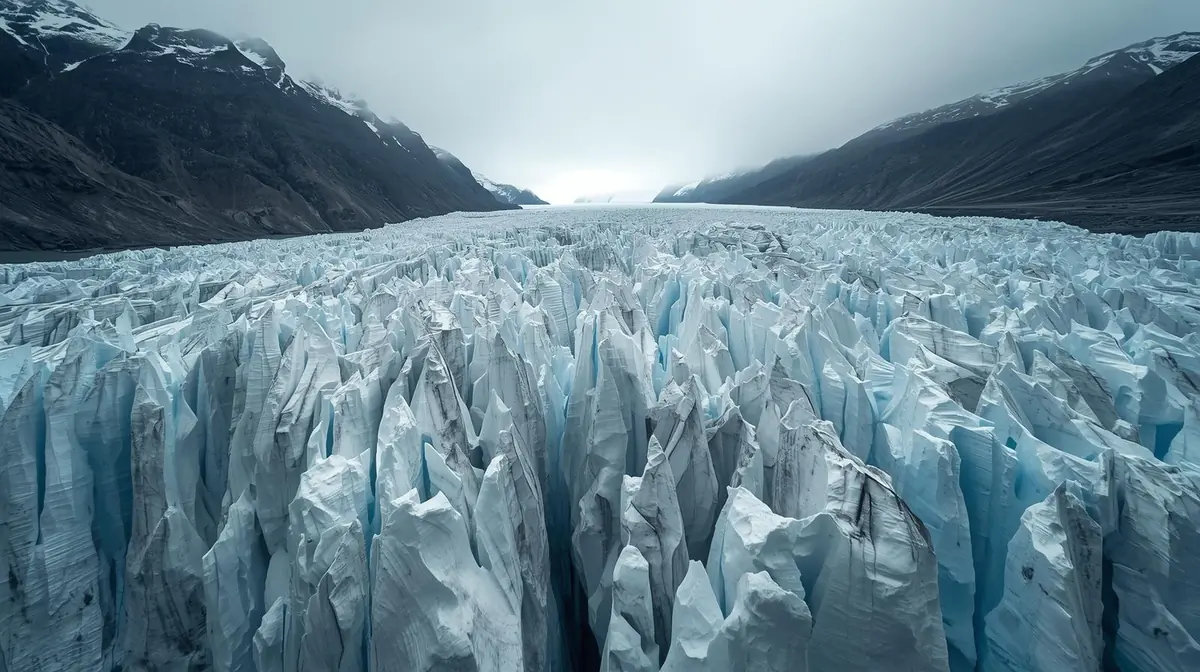
Why the World Day for Glaciers Makes Climate Change Feel Less Abstract
Most climate communication overwhelms. The World Day for Glaciers works because it does the opposite — it gives people one specific, visible thing to understand.
6 articles
Most climate communication overwhelms. The World Day for Glaciers works because it does the opposite — it gives people one specific, visible thing to understand.
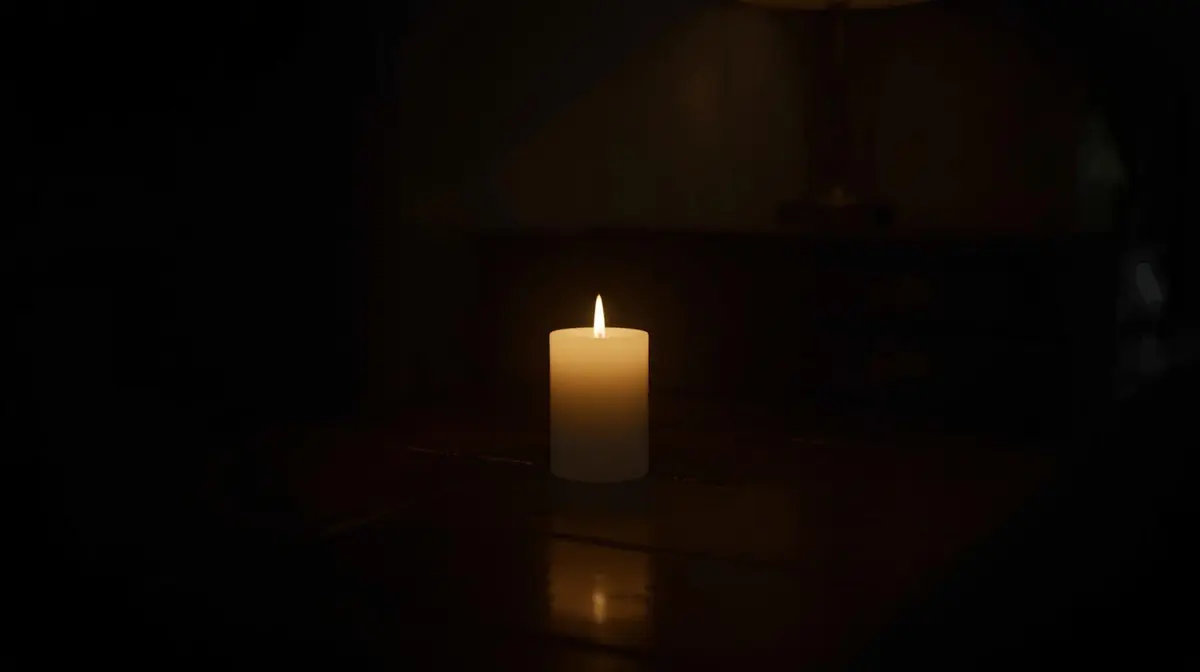
Earth Hour's critics measure it in kilowatts. That's the wrong metric. Nearly two decades in, what the event actually does is stranger and more interesting.
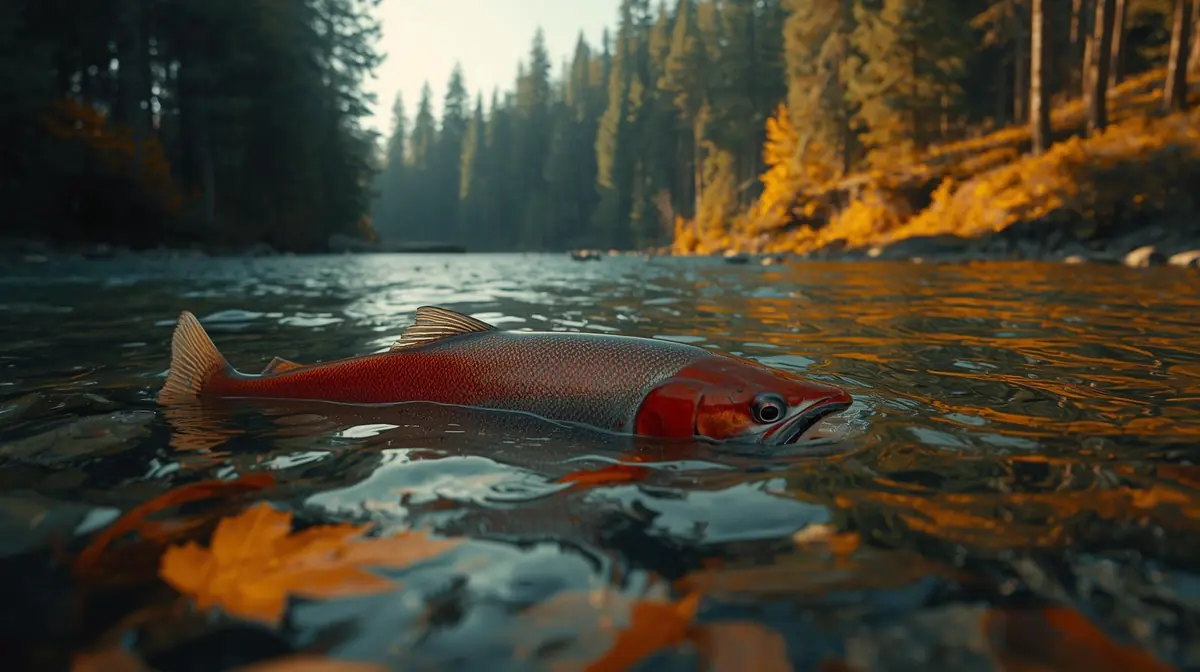
When Pacific salmon die after spawning, they deliver ocean nutrients deep into forest ecosystems — feeding trees, bears, and insects in ways that reshape entire landscapes.
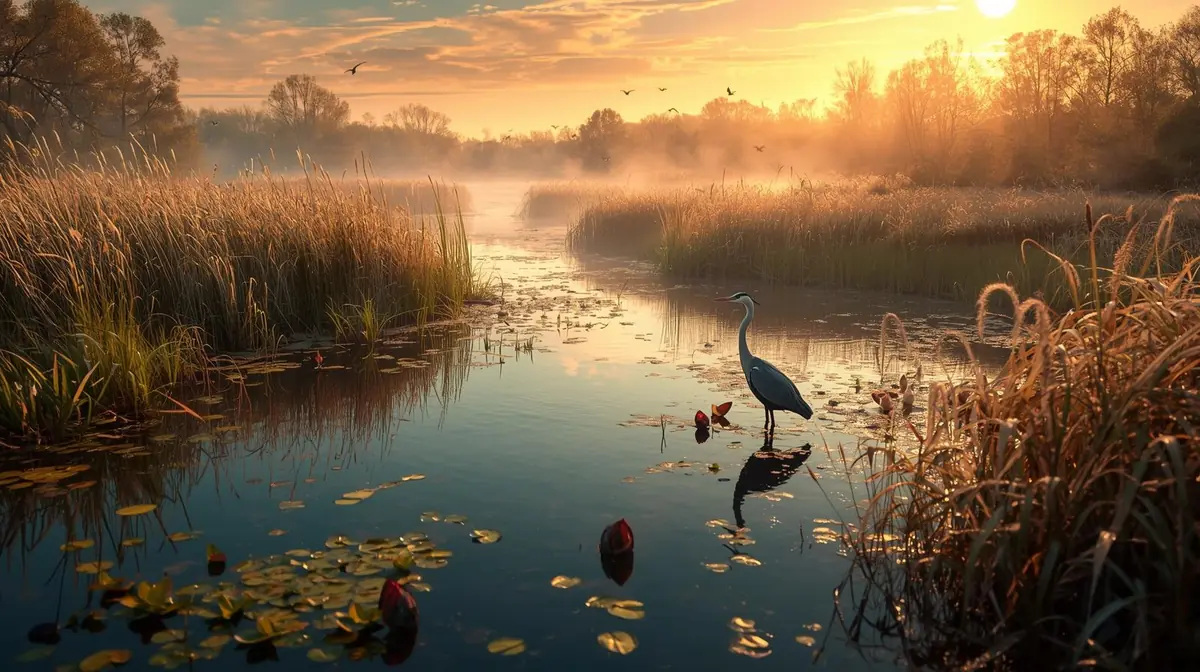
Wetlands quietly filter water, prevent floods, store carbon, and support wildlife, making them one of the most powerful ecosystems on Earth.
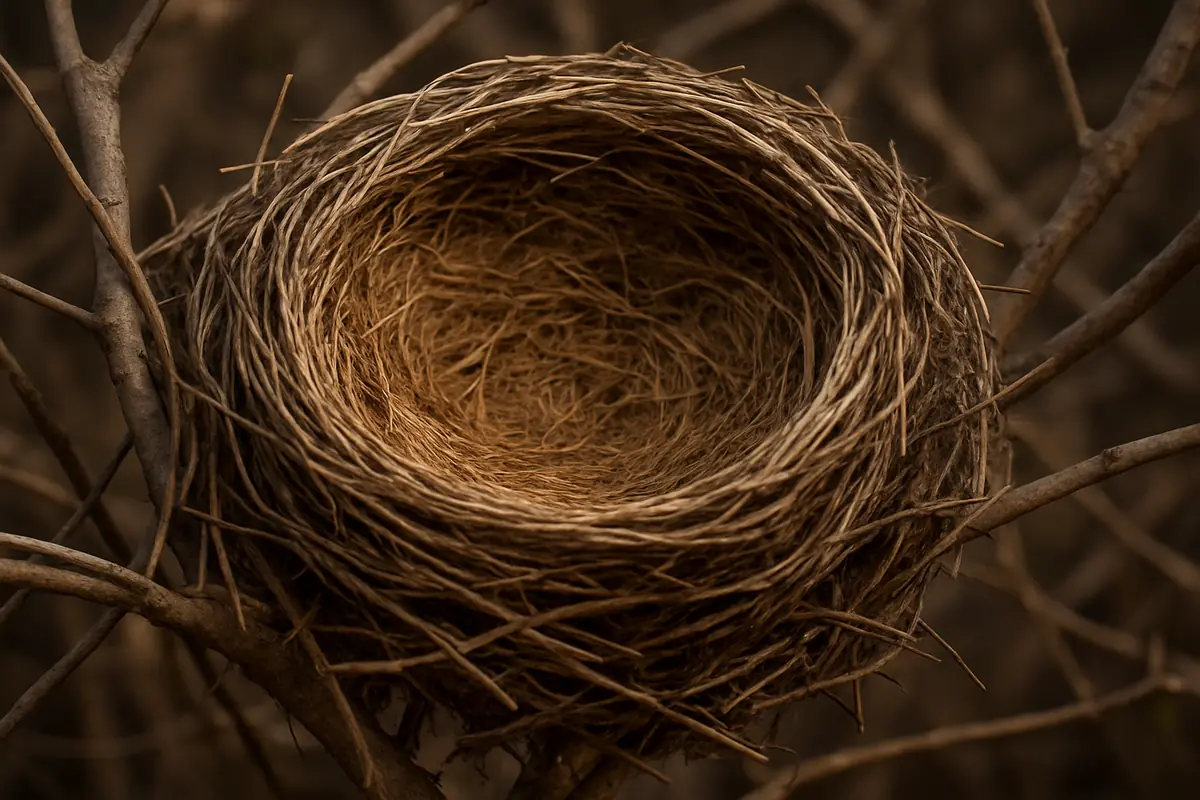
Birds build nests that survive storms, predators, and gravity — using instinct, strategy, and natural engineering that rivals human design.
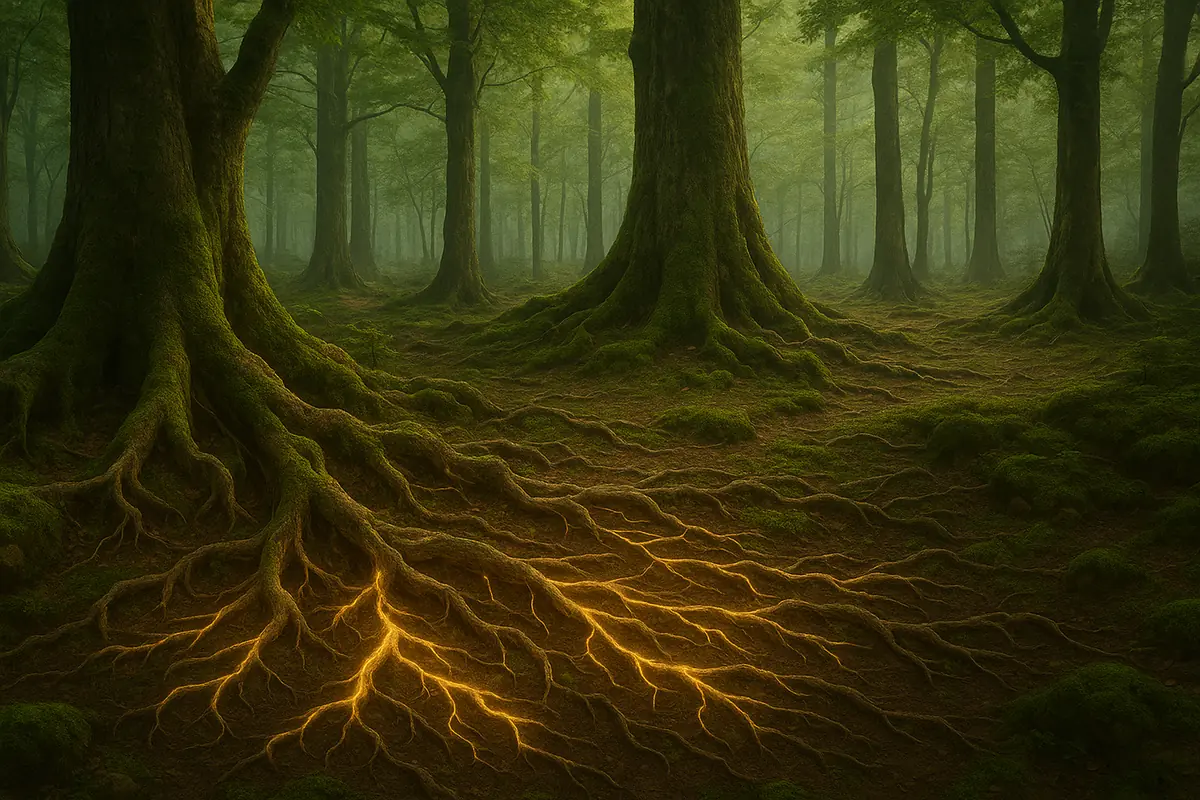
Discover the hidden network beneath forests where trees share nutrients, send warnings, and quietly shape the world above.