The “e” suffix has always been Apple’s way of saying: here’s the phone for people who know what they want. Not the flagship with every bell, not the base model that feels like a compromise — something in between that happens to hit the value point most people actually need.
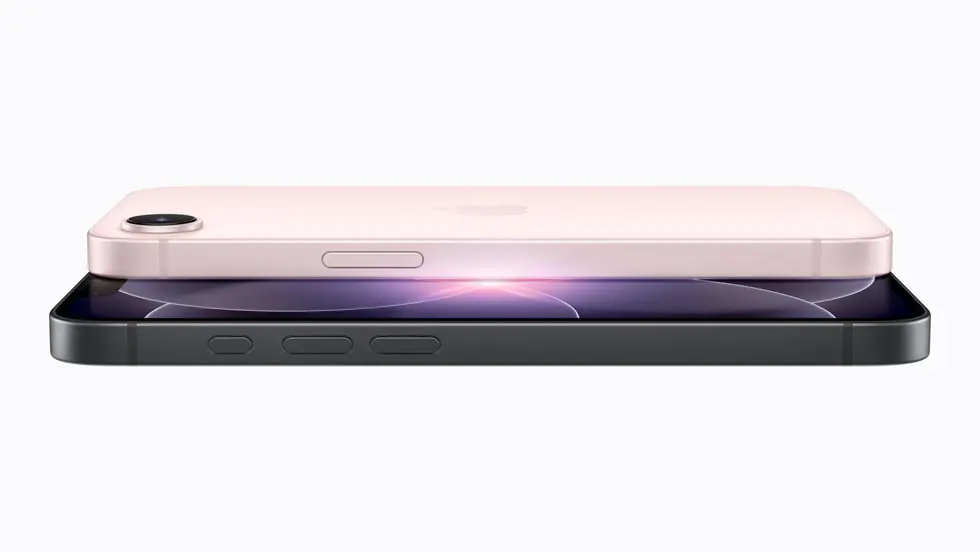
The iPhone 16e, released in early 2025, made a deliberate argument. A modern chip, Apple Intelligence, the Camera Control button, a long-battery design — but one camera, no Dynamic Island, no telephoto. It stripped the spec sheet to what most users actually use, priced it lower than the standard lineup, and positioned it as the clear choice for anyone not chasing the top-of-range experience.
If the pattern continues — and Apple’s “e” cadence suggests it will — an iPhone 17e is a reasonable expectation heading into 2026. The question isn’t whether it will exist. It’s whether it will inherit the same logic: that a simplified spec at a lower price can still deliver everything the average iPhone user actually needs.
That question matters more than it might seem. Apple Intelligence has changed what “enough” looks like on an iPhone. A year or two ago, the main reason to avoid the budget tier was the camera. Now, AI features — on-device processing, writing tools, enhanced Siri capabilities, image editing — require a chip capable of running on-device models. The 16e threaded this needle by using a processor old enough to keep costs down but capable enough to run Apple Intelligence fully. A 17e would likely do the same, extending AI features to a more accessible price without the compromises that once defined the budget tier.
The case for the sweet spot phone has always rested on a simple principle: most people’s actual phone use doesn’t justify flagship prices. They text, browse, take photos of their kids, use a few apps well. The flagship differentiators — periscope telephoto lenses, titanium builds, the absolute latest display technology — are real improvements, but they’re improvements at the margin for the vast majority of users.
What makes the 17e concept compelling heading into 2026 is that the margin between the base experience and the flagship experience has widened. Apple’s Pro models have pushed further into territory that genuinely matters only to photographers, video creators, and power users. That creates space for a well-specced mid-range to feel like the rational default rather than a sacrifice.
The sweet spot phone isn’t about getting a deal. It’s about paying for what you’ll actually use and ignoring the rest. If the 17e delivers Apple Intelligence, a strong single camera, and solid battery life at a price meaningfully below the standard 17, it won’t just be the budget option — it’ll be the right choice for most people.
For most iPhone users, the best phone has never needed to be the most expensive one.
This article contains affiliate links. We may earn a small commission if you buy through them, at no extra cost to you.
Worth considering
Apple MagSafe Charger — if you’re committing to an iPhone ecosystem, Apple’s MagSafe Charger is the cleanest way to charge without cables cluttering a nightstand. Works with any MagSafe-compatible iPhone and snaps into position reliably.
Apple iPhone 16e — the current version of exactly what this article describes: Apple Intelligence, Camera Control, a capable single camera, and solid battery life at a lower price than the standard lineup. If you want the sweet spot iPhone now rather than waiting for the 17e, this is it.