Why Your Next Laptop Might Not Be a Laptop at All
For over three decades, the laptop has looked roughly the same: a folding screen, a keyboard, and a trackpad. But as processors shrink, batteries improve, and software moves to the cloud, the very idea of a “laptop” is beginning to blur. Your next computer may be part tablet, part phone, part wearable — and not a traditional laptop at all.
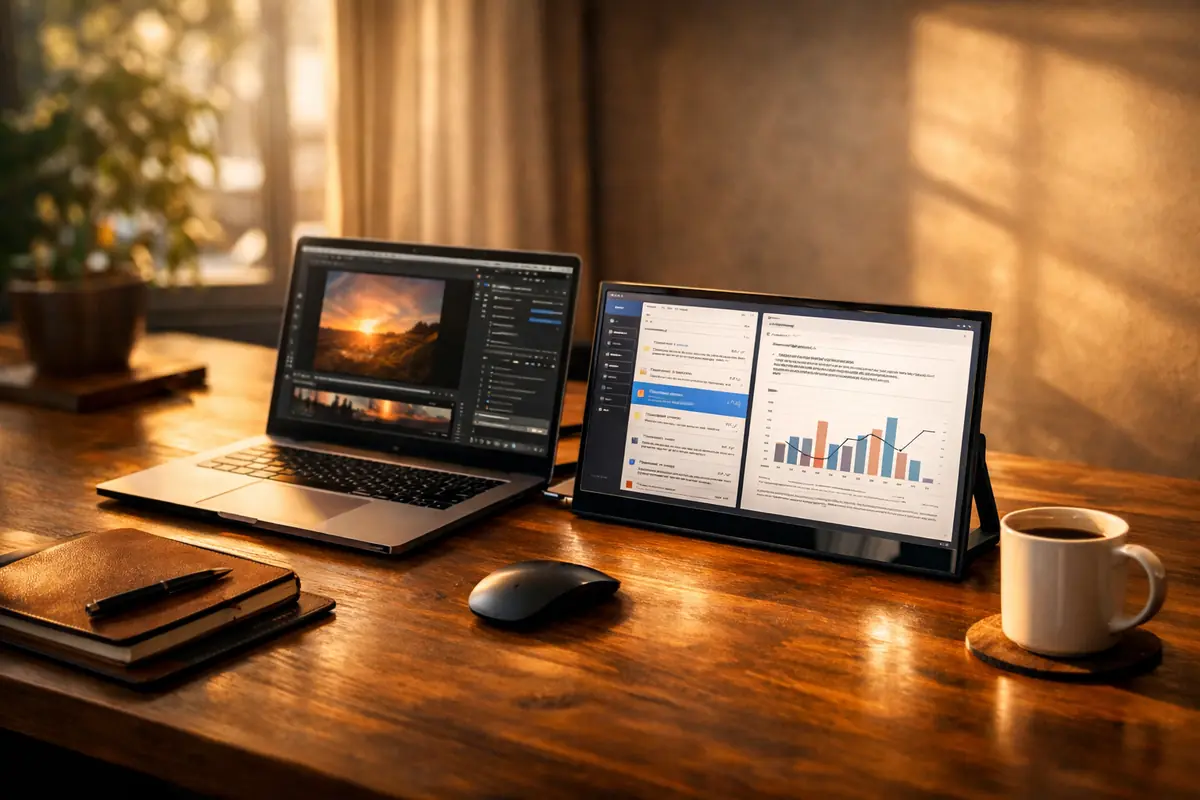
The shift didn’t happen overnight. It started slowly, with lighter ultrabooks, detachable keyboards, and 2-in-1 convertibles. But in recent years, something more interesting has begun: computing is separating the “device” from the “work.” People now use multiple devices that hand off tasks seamlessly.
Most people no longer expect one object to do everything. The modern experience of computing is already spread across phones, tablets, cloud apps, and external screens. The laptop is still central, but it is no longer unquestioned.
A Computer That Fits in Your Pocket
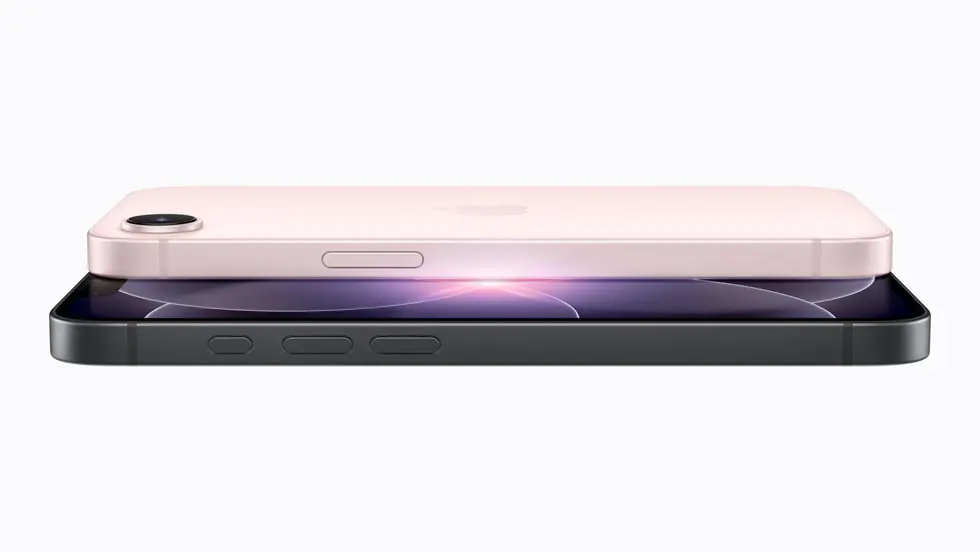
One of the biggest drivers of this shift is how powerful smartphones have become. The latest mobile chips rival entry-level laptop CPUs, while using far less energy. Pair a phone with a wireless monitor and keyboard, and suddenly it behaves like a desktop. Some manufacturers are already experimenting with “pocket PC modes” that turn your phone into a workstation with a single tap.
It’s not that laptops are disappearing — it’s that they’re being absorbed into a wider ecosystem of flexible computing tools.
Tablets That Act Like Workstations
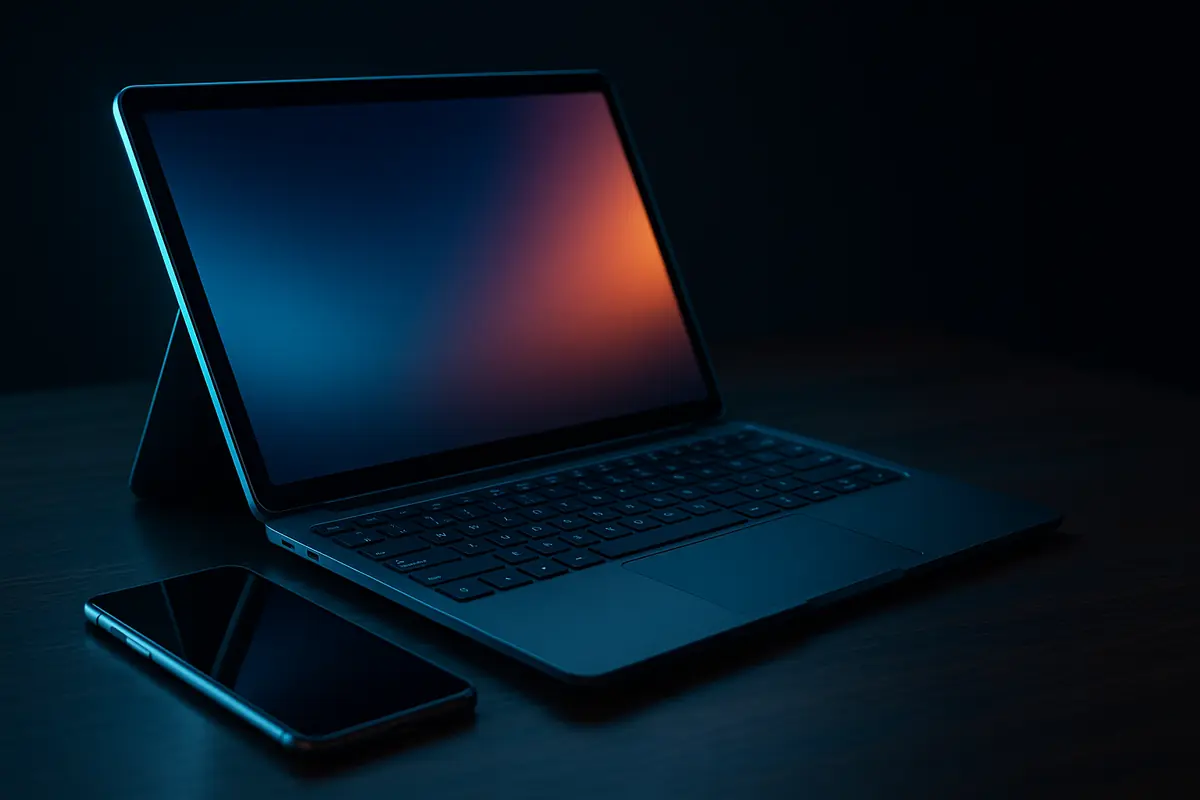
Modern tablets are no longer just media devices. With desktop-class operating systems, cursor support, external displays, and powerful chipsets, they have become legitimate laptop replacements for many users. Graphic designers, writers, programmers, and students often find that a tablet paired with a keyboard is faster, quieter, and lighter than any traditional notebook.
This flexibility has created a new expectation: our devices should adapt to us, not the other way around.
That expectation changes buying decisions too. People increasingly ask whether they need a “laptop” or whether they need portable access to work and creation. Those are not always the same thing anymore.
Wearables and the Invisible Computer
Then there are wearables. Smart glasses, advanced earbuds, and wrist-mounted controllers are hinting at a future where the “computer” is everywhere and nowhere. Instead of opening a laptop to get work done, you might interact with a holographic keyboard, dictate notes through spatial audio, or receive live translations through your earbuds.
When computing becomes ambient, the form factor matters less — and the experience matters more.
What This Means for the Future
The laptop isn’t dying; it’s evolving. It’s becoming smaller, modular, more adaptive, and increasingly optional. A decade from now, you may still own a laptop — but it might unfold, detach, transform, or simply be one node in a larger network of devices that sync effortlessly.
The real revolution isn’t the hardware. It’s the idea that “your computer” is no longer a single object. It’s everything you use to work.