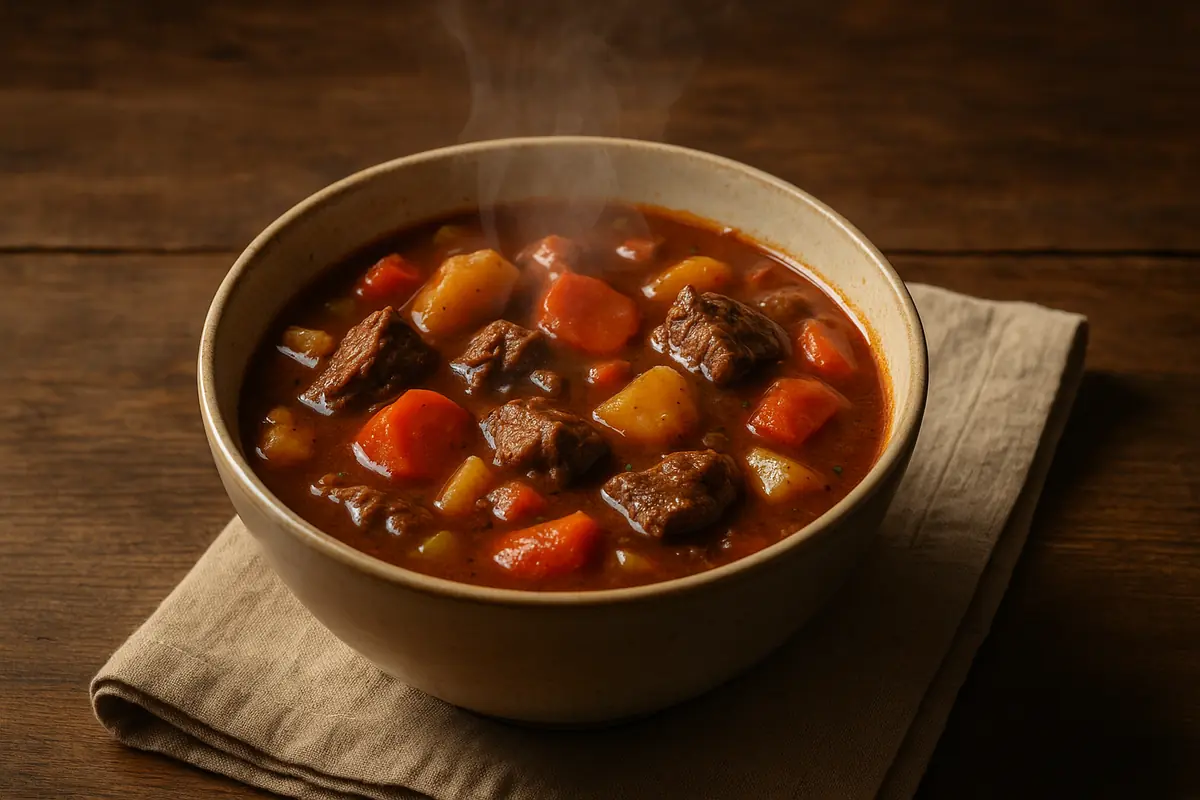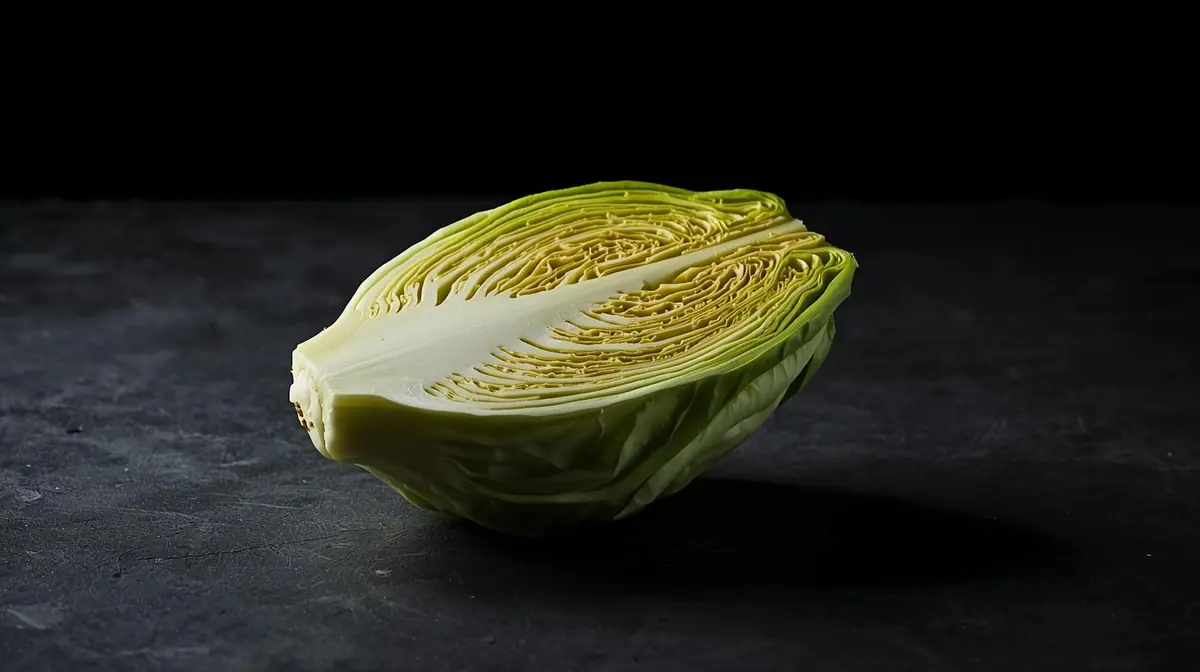
For most of its long culinary history, cabbage has been background. It showed up shredded under tacos, stewed into soup, wilted into a stir-fry, or fermented into condiments — useful but rarely the point. It was the vegetable you reached for when you had nothing else, or the cheap filler in a dish trying to stretch further. Something has shifted. Cabbage is appearing center-plate on restaurant menus, trending in home cooking videos, and being treated with a culinary seriousness it hasn’t had in living memory.
Part of this is economics. As food costs have climbed, cabbage has remained one of the cheapest vegetables by weight — hardy, long-lasting, and available year-round in most markets. Cooks looking to stretch a budget without sacrificing nutrition found it waiting, reliably, at the bottom of the produce aisle. A whole head feeds four people. It keeps for weeks. And given the right treatment — braised low and slow, or roasted at high heat until the outer leaves char and the interior sweetens — it can absorb butter and heat into something genuinely luxurious. That value proposition started attracting cooks who weren’t looking for cheap; they were looking for depth.
The fermentation wave helped. Kimchi went mainstream well before 2026, and sauerkraut followed close behind, riding the gut health conversation into ordinary grocery stores. Both are cabbage. Both moved the vegetable from discount aisle to wellness aisle in people’s minds. Once something crosses that line, its culinary reputation shifts.
Then restaurants started taking it seriously. Cabbage steaks — thick cross-sections roasted until deeply caramelized, sometimes charred — appeared on menus looking nothing like the ingredient people had ignored. Braised whole wedges with anchovy butter. Wok-fired napa with ginger and oyster sauce. Pointed cabbage split and grilled over coals. Techniques that required patience revealed that cabbage, given heat and time, develops layers — bitter edges, sweet centers, nutty char — that most people had never encountered.
The nutritional case was always strong but undersold. Cabbage is high in vitamin C and vitamin K, reasonably high in fiber, low in calories, and contains compounds that have attracted ongoing scientific interest. It’s not new information, but the fermentation trend put a different frame around it: cabbage as a functional food, not just a cheap filler.
What 2026 adds is perhaps just critical mass. The economics, the fermentation moment, the restaurant credibility, and the renewed appetite for seasonal, whole-ingredient cooking have all converged around a vegetable that was always there. Cabbage didn’t change. The framework for seeing it did — and once you see it differently, it’s hard to go back to treating it as filler.
The vegetables that get ignored the longest often have the most to reveal when someone finally pays attention. Cabbage is proving that point, one caramelized wedge at a time.