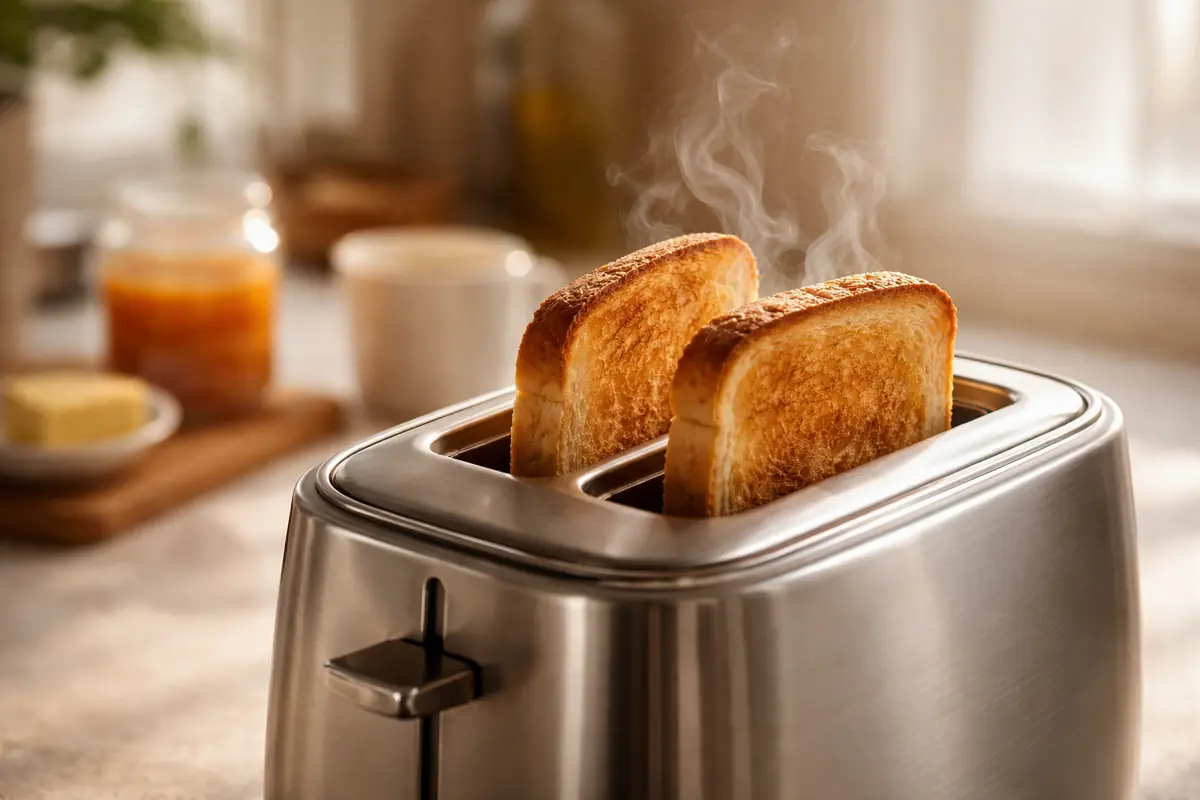
Plain bread can smell pleasant. Toast, by contrast, can make an entire kitchen feel suddenly alive. The difference is so dramatic that it almost seems unfair. After all, it is the same slice. But when bread turns into toast, heat unlocks a wave of chemistry that changes the smell far more than most people realize.
The main reason is something called the Maillard reaction. This is the process that happens when heat transforms amino acids and natural sugars on the surface of food into new flavor and aroma compounds. It is also why roasted coffee, seared meat, baked cookies, and toasted bread smell so rich.
Before toasting, bread is relatively soft, moist, and chemically quiet. Once heat hits it, the outer surface dries and begins browning. That browning is not just cosmetic. It produces hundreds of new aromatic molecules, many of them warm, nutty, buttery, and slightly sweet. Your nose picks up that complexity immediately.
Toast also has an advantage because heat pushes aroma into the air more aggressively. Warm molecules move faster than cool ones, which means they reach your nose more easily. A fresh slice of toast sends out a stronger aromatic signal than room-temperature bread ever could. In simple terms, toast does not just smell different. It broadcasts itself better.
There is also a contrast effect at work. Bread is often associated with softness and neutrality. Toast adds browned edges, crispness, and a stronger smell all at once. Your brain reads that jump in sensory intensity as more exciting and more satisfying, even before you take a bite.
That is part of why toasted bread feels more indulgent than plain bread, even without adding butter or jam. The smell suggests warmth, freshness, and effort. It feels like something transformed rather than something merely unpacked.
Texture supports the illusion too. Once a smell is paired with crisp edges and a hot surface, the brain expects more flavor overall. Aroma, texture, and heat begin reinforcing each other. By the time you bite into toast, your senses are already primed to believe it will taste better.
There is a limit, though, and it explains why perfect toast smells so good while burnt toast turns harsh fast. Browning creates appealing compounds up to a point, but too much heat starts producing bitter, acrid notes that overwhelm the sweeter, nuttier aromas. That narrow window is part of what makes good toast feel so instantly satisfying.
This is one reason kitchens feel so inviting when something is browning. Toast is a small daily version of a larger truth: cooking often smells wonderful not because ingredients are new, but because heat is creating new compounds in real time.
So yes, toast really does smell better than bread. It is not nostalgia or imagination. It is chemistry, temperature, and a brain that knows something delicious is happening the moment the bread turns gold.