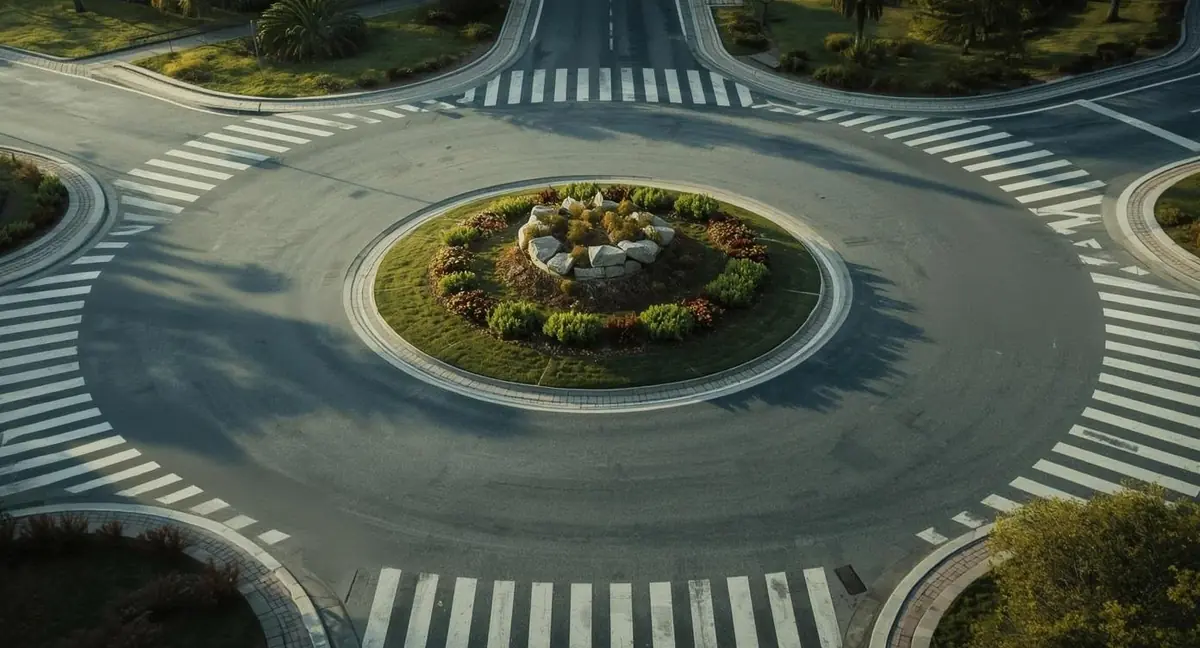
Few road designs trigger stronger opinions than the roundabout. Some drivers love them because traffic keeps moving. Others approach them like a small circular exam. But from a mobility point of view, roundabouts keep winning for one simple reason: they are often better at handling real traffic than a traditional stoplight.
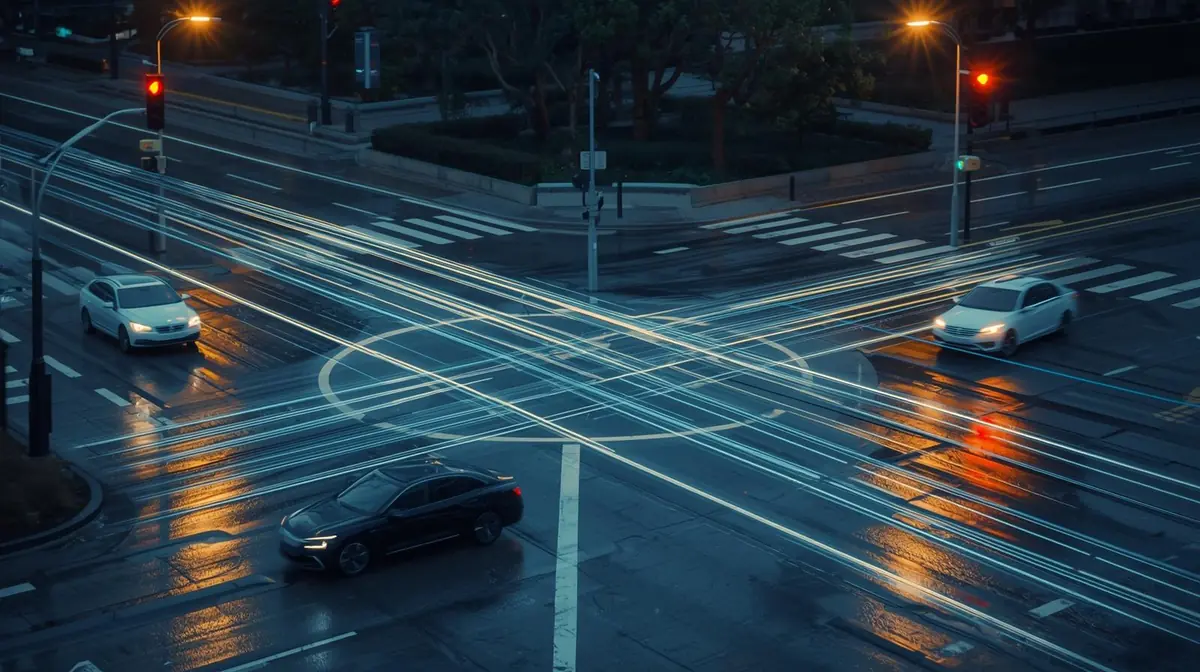
Traffic lights work in fixed turns. One side waits, then the other side waits, even when no one is coming. That makes intersections feel orderly, but it also creates waste. Cars idle. Drivers accelerate hard to catch a green. Then everyone stops again. Roundabouts replace that start-stop rhythm with a slower, more continuous flow.
That flow matters more than most people realize. When drivers approach a roundabout, they usually slow down, look for a gap, and merge through without fully stopping. Even when traffic is busy, the movement stays more fluid than a light-controlled intersection where vehicles pile up in lanes and then surge forward in bursts.
The safety benefit is just as important. A typical four-way signalized intersection creates many opportunities for dangerous angle crashes, especially when someone runs a red light or misjudges a turn. Roundabouts reduce those high-speed conflict points by forcing everyone into lower-speed, one-way movement. Crashes can still happen, but they are often less severe because the geometry discourages direct high-impact collisions.
They also reduce the hidden cost of driving: waiting. A red light feels normal because we are used to it, but across thousands of cars and hundreds of days, that waiting adds up in fuel, time, and frustration. A well-designed roundabout often moves the same volume of vehicles with less idling and less unnecessary stopping, which is one reason traffic engineers keep coming back to them.
That smoother rhythm changes how driving feels as well. Less stopping and starting means less harsh braking, less sudden acceleration, and often a calmer approach to the intersection itself. For commuters, that may sound minor, but repeated dozens of times a week, small reductions in friction can make roads feel noticeably less exhausting.
Of course, roundabouts are not perfect everywhere. They need enough space, clear signage, and design that accounts for trucks, cyclists, and pedestrians. In very complex urban intersections, signals may still make more sense. Badly designed roundabouts can feel confusing fast.
But where they fit, they reveal something interesting about good infrastructure. The best systems do not always control people with more instructions. Sometimes they work better by shaping movement so that drivers naturally make safer, smoother choices.
That is part of their appeal to planners as well. A roundabout is not just an intersection design. It is a way of turning traffic behavior into something more continuous and less wasteful.
That is why roundabouts keep spreading. They are not trendy circles for the sake of novelty. They are a reminder that better traffic often comes from reducing friction, not adding more commands.