The moment a child says “I’m bored,” many parents feel a quiet pressure to fix it. Hand them a device, suggest an activity, organise something. It’s instinctive. It’s also, developmental psychologists argue, often unnecessary.
Boredom in childhood isn’t a problem to solve. It’s a condition to work through — and that process is where something genuinely valuable happens.
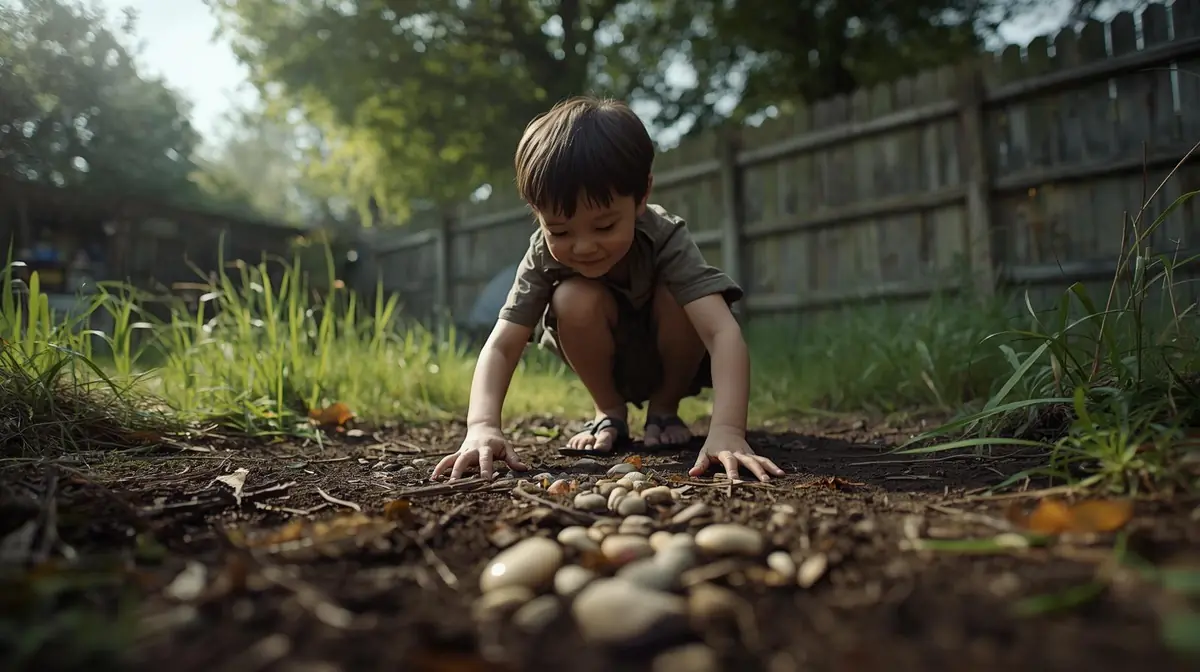
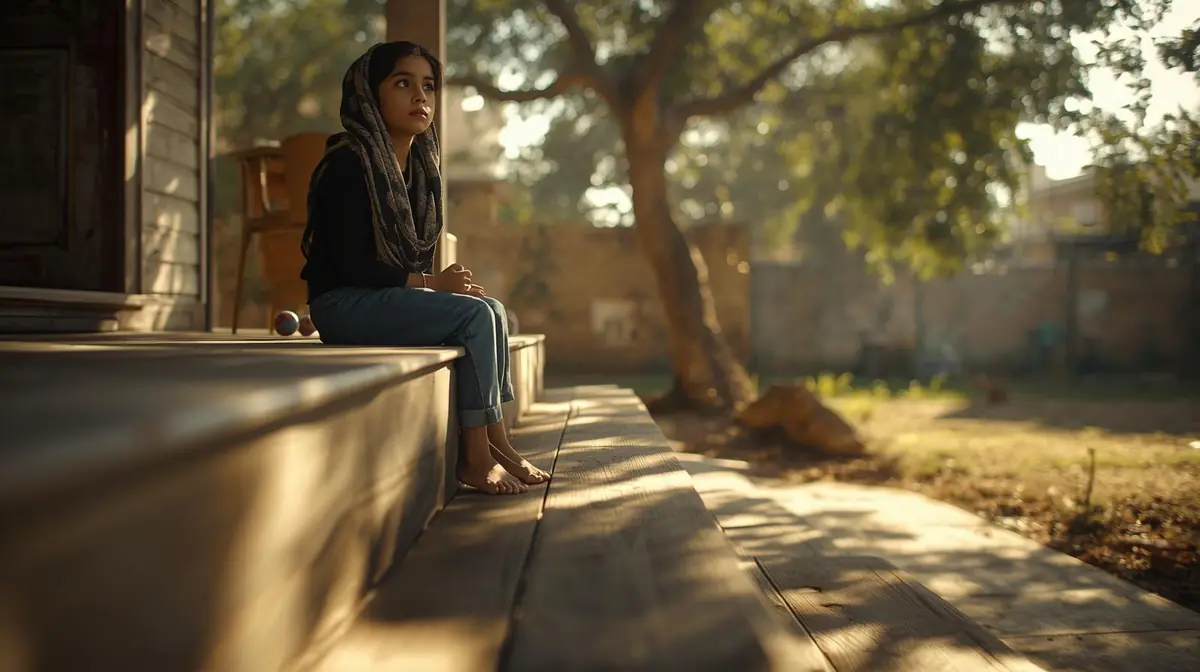
When a child is bored, they face a particular kind of discomfort: the absence of external stimulation. There’s nothing queued up, nothing handed to them. The response to that discomfort, when left uninterrupted, tends to be creative. They invent a game, repurpose an object, build something out of nothing, or simply sit with their own thoughts. None of that happens if a parent fills the gap first.
Researchers who study creativity in children consistently find that unstructured time — time without agenda, screen, or adult direction — is where imaginative play tends to flourish. This isn’t a vague or nostalgic claim. It connects to what developmental psychologists call self-directed play: the kind where children set the rules, change the rules, and negotiate with others about what counts. This kind of play builds executive function, frustration tolerance, and the early architecture of creativity.
There’s also a harder truth embedded here. Children who are rarely allowed to feel bored tend to need increasing levels of stimulation to feel engaged. If every gap is filled by an adult or a screen, the child never develops the internal resources to manage the gap themselves. Boredom tolerance, like any capacity, grows through use.
This doesn’t mean neglect. It means strategic restraint. Saying “I’m sure you’ll figure something out” rather than immediately producing an activity isn’t indifference — it’s a form of confidence in the child. It communicates that they are capable of entertaining themselves, which turns out to matter for how capable they actually become.
The timing of interventions matters too. A few minutes of restless wandering is different from an hour of listless distress. The goal isn’t extended suffering but enough of a gap that the child’s own initiative has room to switch on. That gap is usually shorter than it feels.
Modern childhood is extraordinarily scheduled. Activities, lessons, screens, and structured play fill almost every hour. The unscheduled patches — waiting rooms, long drives, empty afternoons — are often treated as problems rather than gifts.
They aren’t. They’re some of the most fertile moments in a child’s day.
The next time a child tells you they’re bored, try waiting. Not forever. Just long enough to see what they come up with. The answer is usually more interesting than anything you would have suggested.