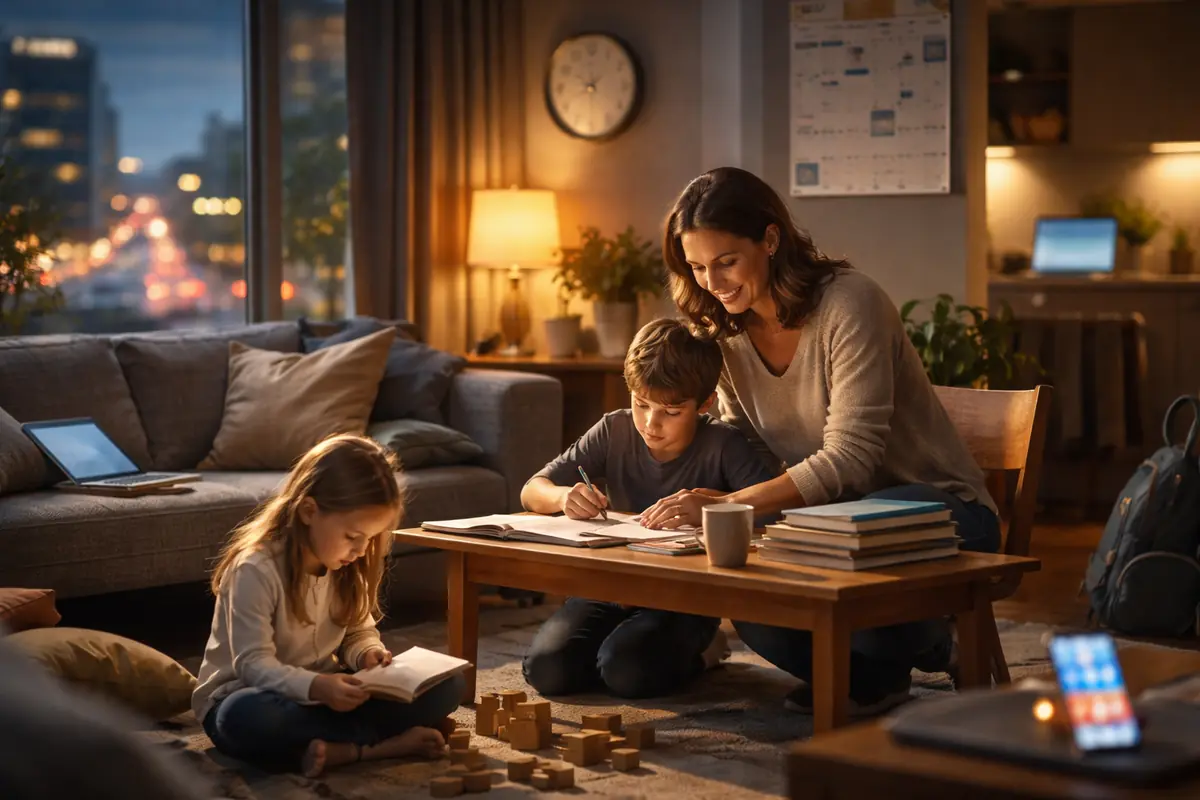
Childhood has always reflected the world around it. What feels different now is the speed. New apps appear before schools know how to regulate them. Trends sweep through classrooms in days. Family routines compete with calendars, notifications, and the expectation that everyone should always be reachable. Adults feel the strain of that pace. Children feel it too, often before they have the words to describe it.
That is what makes modern parenting so difficult. The challenge is no longer only teaching values or setting rules. It is helping children develop stability in an environment designed to keep pulling at their attention. A child growing up today must learn how to process more noise, more choice, and more stimulation than earlier generations faced at the same age.
Technology sits at the center of that tension. At its best, it can expand a child’s world. A phone or tablet can become a tool for learning, creativity, connection, and discovery. But technology also rewards speed, reaction, and constant engagement. Without boundaries, children can begin to expect that every quiet moment should be filled and every feeling should be solved with a screen.
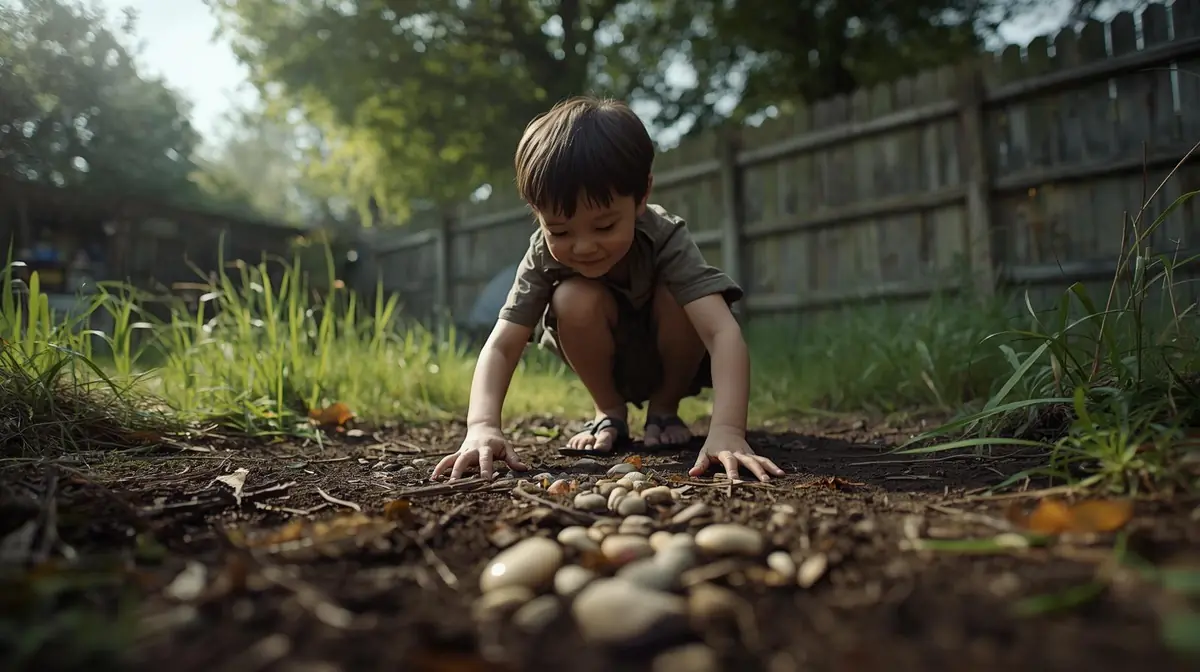
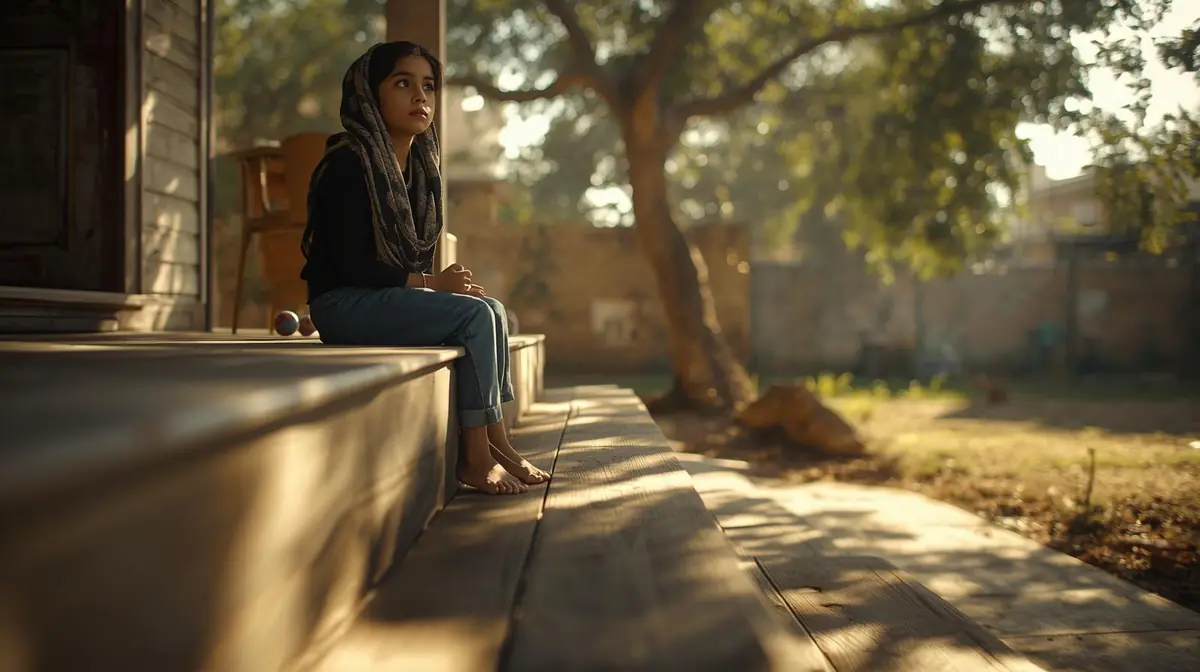
The deeper risk is not simply too much technology. It is the loss of pause. Boredom, reflection, and unstructured play are not wasted time; they are part of how children build imagination, patience, and emotional regulation. When every gap in the day is filled, those capacities have less room to grow.
Preparing children for the future, then, is not about resisting change or pretending the digital world will disappear. It is about building habits that help them stay steady inside it. That may mean routines that protect sleep, device-free family time, honest conversations about online pressure, and spaces where children can play, read, and think without interruption. It also means teaching them to notice what constant stimulation feels like in their own minds and bodies.
Parents do not need to outpace the modern world to raise healthy children in it. They need to model balance, attention, and restraint. Children learn not only from what adults say about screens and stress, but from what adults do with their own time, presence, and priorities.
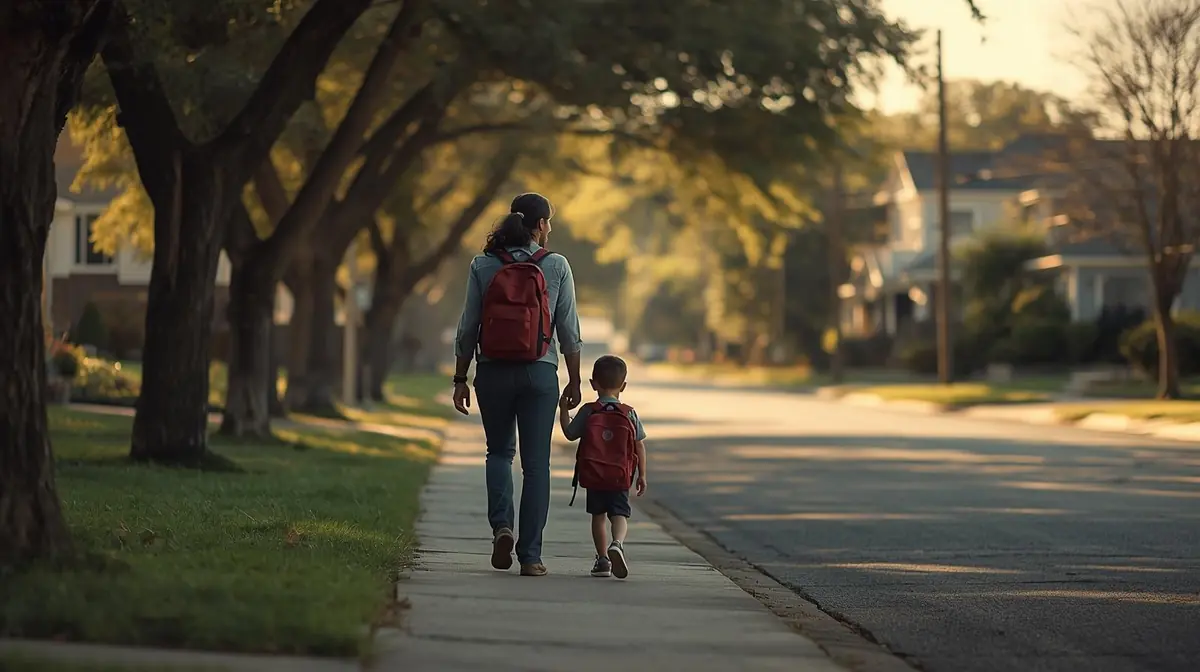
That can sound abstract, but often it looks ordinary: slower mornings, shared meals, device-free car rides, protected bedtimes, and the willingness to let a child be bored long enough for imagination to wake up. These are not old-fashioned leftovers. They are stabilizers in a culture that rarely stops accelerating.
The world will keep accelerating. The better goal is not to raise children who can chase every trend, but children who know how to stay grounded when everything around them speeds up. That kind of resilience may become one of the most practical gifts a family can give.