Most spending trends in personal finance arrive with tools: an app, a framework, a challenge with a hashtag. The low-buy and no-buy movement is different. It asks you to do less, not more — and as the financial pressure of recent years lingers, it’s finding a second wind heading into 2026.
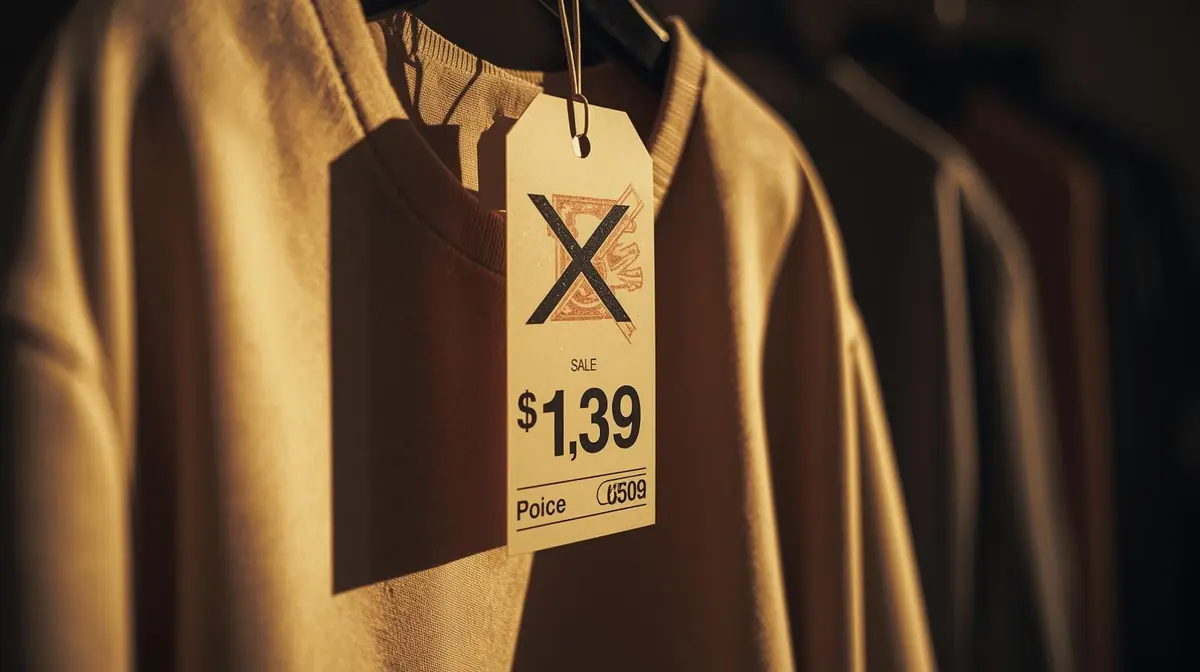
The basic idea is straightforward. A no-buy is a commitment — usually for a month or a year — to stop purchasing non-essentials: clothing, beauty products, home décor, books beyond what you already own. A low-buy is the same impulse with fewer rules. You’re not swearing off all discretionary spending; you’re becoming more deliberate about which purchases make the cut.
Neither concept is new. Frugality communities online have run no-buy challenges for years. But what makes the current revival interesting is the context it’s arrived in. Inflation has raised the baseline cost of living in ways that haven’t fully reversed. Subscription fatigue is real — many households are quietly overpaying for things they barely use. And a wave of “underconsumption” content on short-form video platforms has made spending less feel culturally on-trend rather than a sign of hardship.
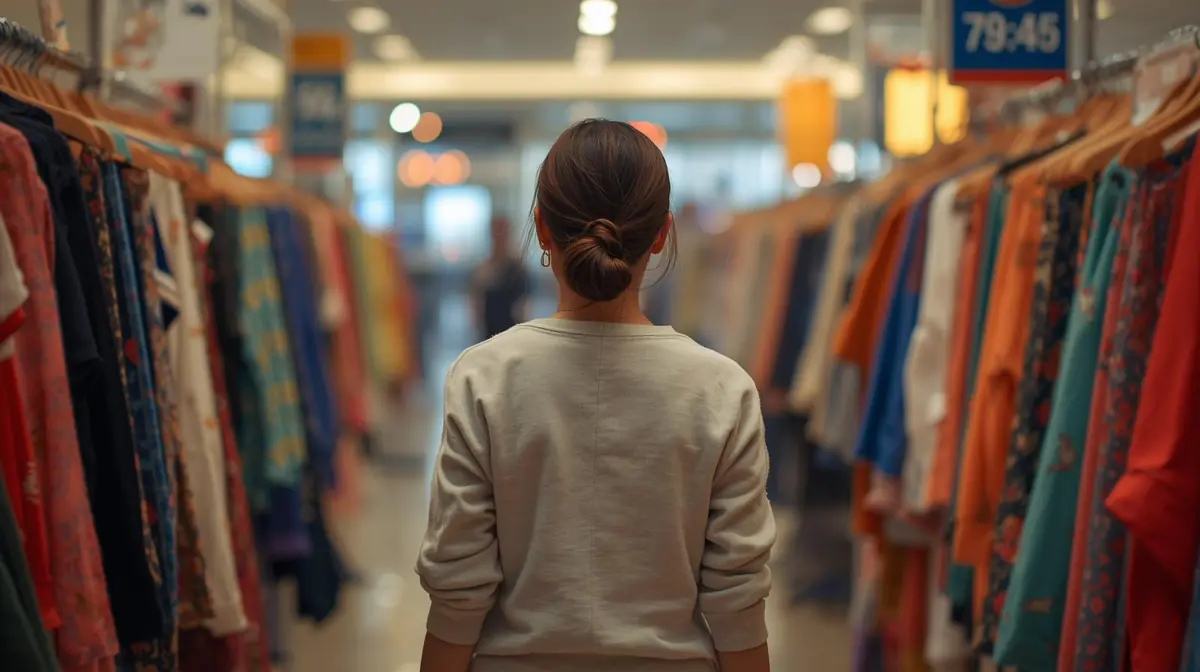
That last part matters. Earlier waves of the no-buy trend were largely driven by people in financial difficulty or those pursuing aggressive debt payoff. The current version is pulling in a different group: people who are managing fine but have started to feel that their buying habits don’t match their actual values. The question isn’t “can I afford this?” but “do I actually want this, or was I just in the right browsing mood?”
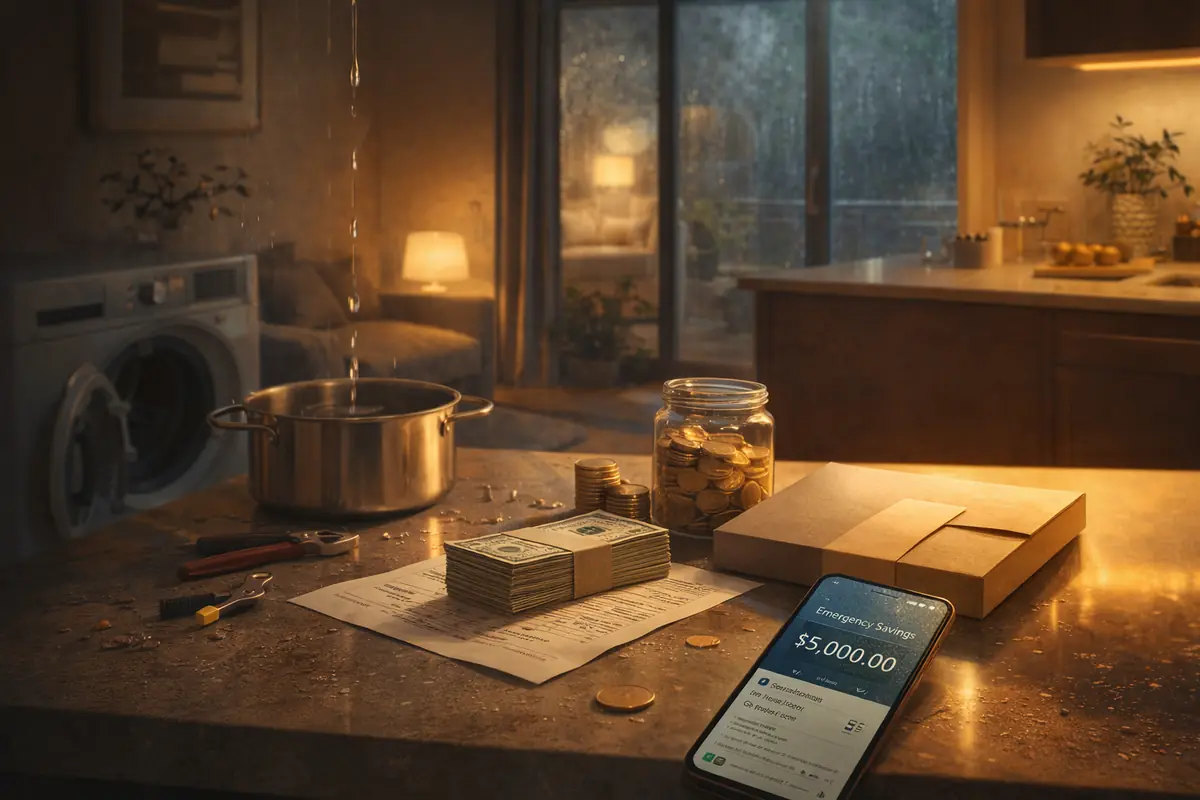
This reframing changes what the trend means as a money tool. A traditional no-buy is primarily about saving. The newer version is more about recalibrating the default. If your baseline is “I generally don’t buy things unless I have a clear reason,” your spending becomes more purposeful and your savings tend to follow — without needing a formal rule or monthly ledger.
The practical overlap with other smart-living habits is worth noting. People in low-buy mode tend to use what they already own for longer, which reduces waste and incidental spending. They often pause before buying to check if they already have something that does the job. And because they’ve broken the reflex of treating browsing as leisure, they tend to impulse-buy less.
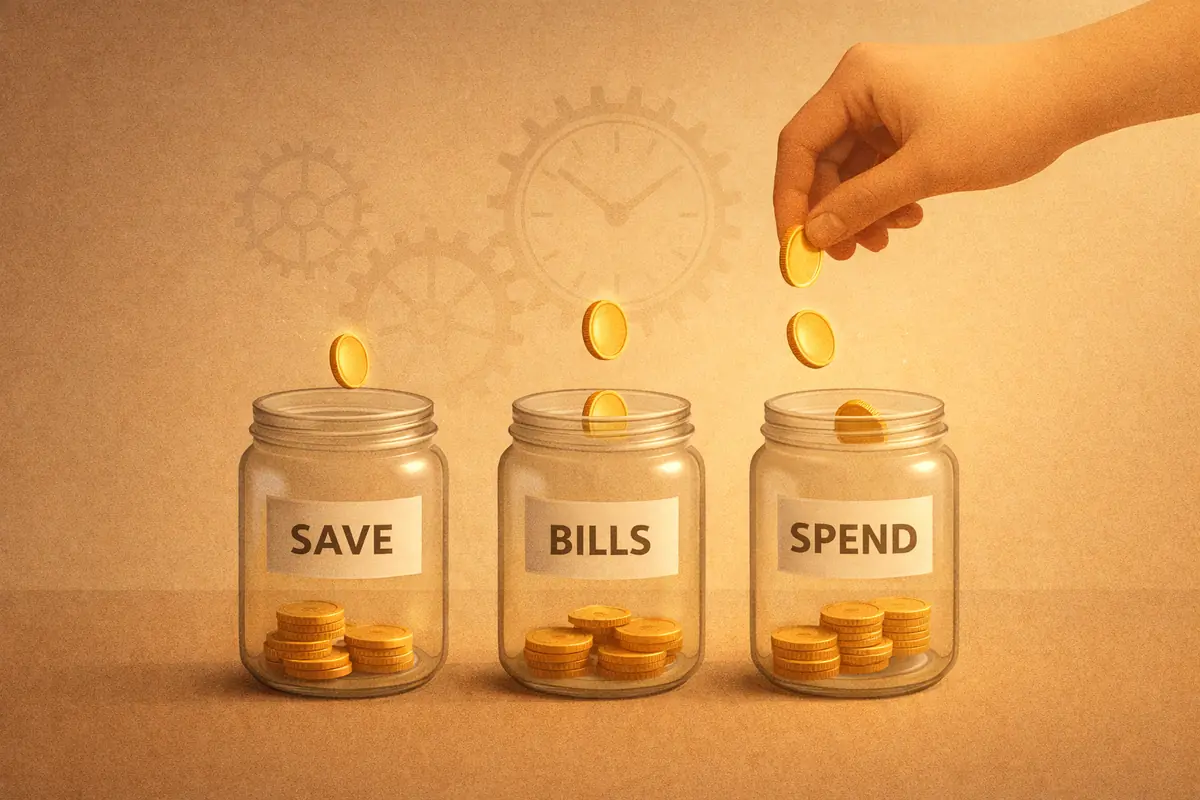
None of this requires ideological commitment to minimalism or frugality culture. You don’t need a colour-coded budget or a dedicated tracking app. It’s closer to a spending audit that quietly becomes a habit — and, over time, a useful filter on how you make choices.
Heading into 2026, with costs still elevated and purchasing fatigue becoming a documented trend, the low-buy mindset is well positioned as a quiet default — useful whether or not you ever call it by name.