Most AI tools are impressive in the moment and forgetful the moment after. You can have a productive conversation, close the window, and return the next day to a system that remembers none of your preferences, projects, or decisions.
That is why the next important leap in AI is not just better reasoning. It is better memory.
A useful assistant should remember how you work. It should know that you prefer concise drafts, that you are planning a launch in October, that you dislike jargon, and that one unfinished idea from last month is still worth revisiting. Once memory enters the picture, the relationship changes. The AI stops feeling like a slot machine for answers and starts feeling more like a working partner.
But memory in AI should not mean one giant permanent record. It needs layers.
There is session memory, which keeps a single conversation coherent. There is longer-term personal memory, which stores durable facts like your preferences, recurring tasks, and active projects. Then there is selective memory, where you choose what the system should keep, ignore, or forget entirely.
That last part matters most. Memory without control is not helpful; it is invasive. If an assistant remembers everything by default, it becomes surveillance wrapped in convenience. If it lets you inspect, edit, and delete what it knows, memory becomes a tool you actually own.
This is why the best AI memory will probably feel quiet rather than flashy. It will not impress you only with one perfect answer. It will spare you from repeating the same context for the fiftieth time. It will remind you what you already decided. It will connect loose threads across weeks or months of work and return them when they become relevant again.
In that sense, personal AI memory is not just about the machine becoming smarter. It is about helping you recover more of your own thinking. Your notes, preferences, false starts, and half-finished plans become easier to retrieve and use.
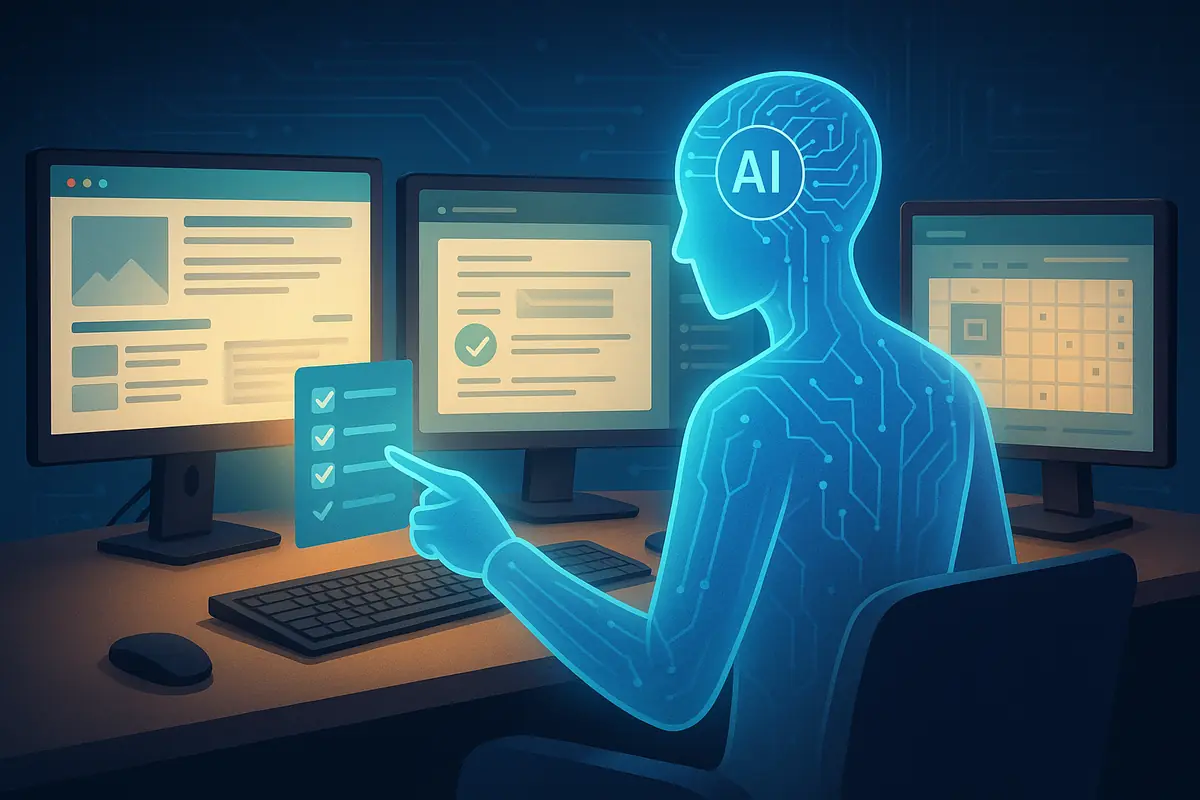
That could matter in practical ways very quickly. A memory-aware assistant could draft in your usual voice, recall the tradeoffs from your last decision, remember which clients need what style of communication, or bring back a forgotten idea just when it becomes useful again. The value is not novelty. It is continuity.
The design challenge is trust. People need to know what is being stored, why it is stored, and how to change it. Memory should be visible, editable, and reversible. Boring reliability matters more here than magic.
So when you evaluate an AI tool, ask a better question than “Was that answer clever?” Ask whether it will still be useful next week, next month, and after your priorities change.
The winning assistants will not just respond well. They will remember well, and they will let you decide what deserves to stay remembered.