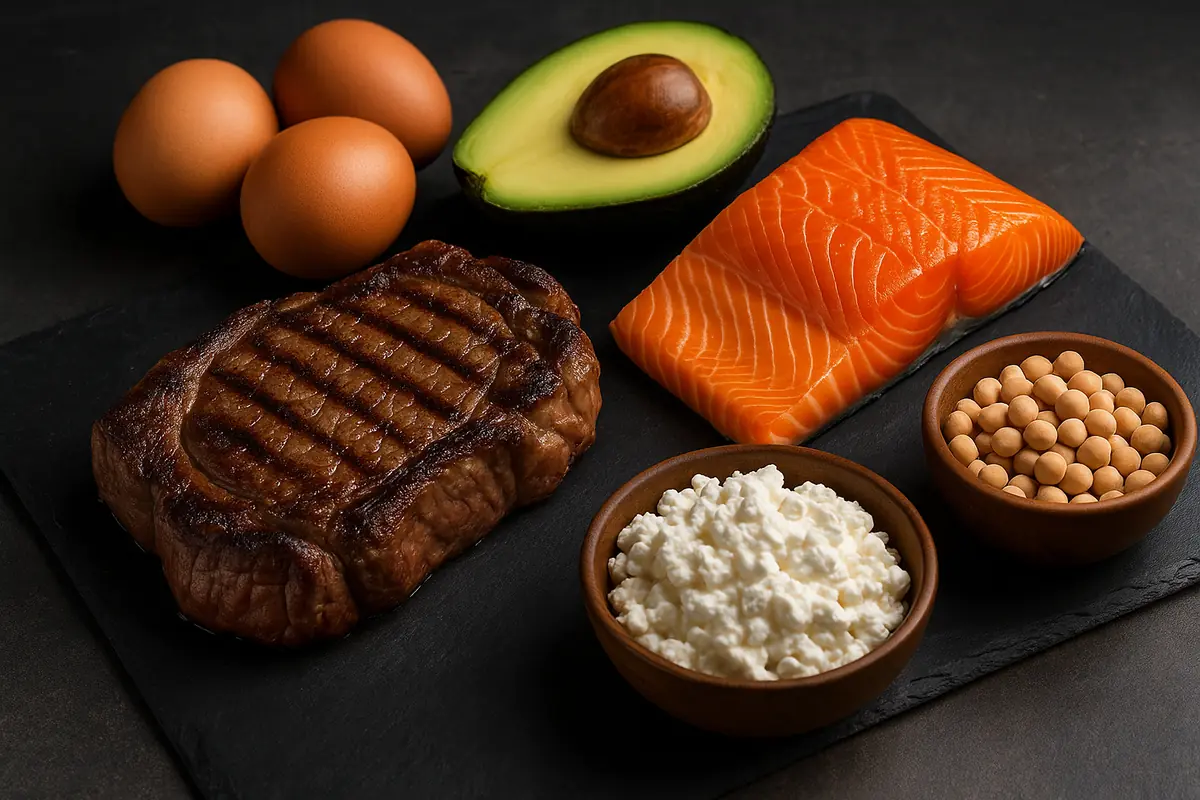
When people think about aging well, they often picture skincare routines, vitamins, or long walks. But one of the most powerful — and most overlooked — ways to stay youthful and energetic lies on your plate: protein.
As we age, our bodies naturally lose muscle mass in a process called sarcopenia. This slow decline in strength affects balance, mobility, and metabolism. Less muscle means more fatigue, weaker bones, and even increased risk of injury. Yet research shows that maintaining muscle mass is one of the strongest predictors of a long, independent life.
Protein isn’t just for bodybuilders — it’s essential for everyone. It repairs tissues, builds enzymes and hormones, and supports the immune system. Without enough, your body begins breaking down muscle faster than it can rebuild it.
That is why protein matters more with age, not less. Older adults often eat too little of it while also becoming less responsive to smaller doses. In practical terms, the body may need a clearer, more consistent protein signal to keep maintaining muscle well.
That can show up in ordinary life long before anyone uses the word sarcopenia. Carrying groceries feels heavier. Recovering from illness takes longer. Balance feels less automatic. Strength usually fades quietly before it becomes dramatic, which is exactly why nutrition matters before there is an obvious problem.
Here’s how to keep your muscles thriving as the years go by:
- Prioritize protein at every meal. Eggs, meat, fish, and plant-based options like lentils or tofu should take center stage.
- Aim for 1.2–1.6 grams per kilogram of body weight daily — more if you’re active.
- Distribute your intake evenly. Your body absorbs protein better when spaced throughout the day.
- Combine it with strength training. Even simple resistance exercises tell your body to build, not break down.
Beyond strength, adequate protein supports faster recovery, better metabolism, and a sharper mind. It helps regulate blood sugar and keeps you feeling fuller for longer — which can make weight management easier as you age.
The quality of the protein matters too. Foods rich in essential amino acids, especially leucine, tend to be more effective at supporting muscle maintenance. That does not mean every meal must be large or perfect. It means consistency usually matters more than occasional extremes.
It also means breakfast deserves more respect. Many people eat very little protein early in the day and try to make up for it later. Spreading intake more evenly can support muscle maintenance better than packing most of it into one large dinner.
And while trendy diets come and go, this principle doesn’t change: the foundation of longevity is strong, functional muscle. Every forkful of quality protein is an investment in a future where you can keep doing the things you love — without slowing down.
Forget miracle supplements and miracle creams. The real anti-aging formula might just be sizzling on your pan tonight.