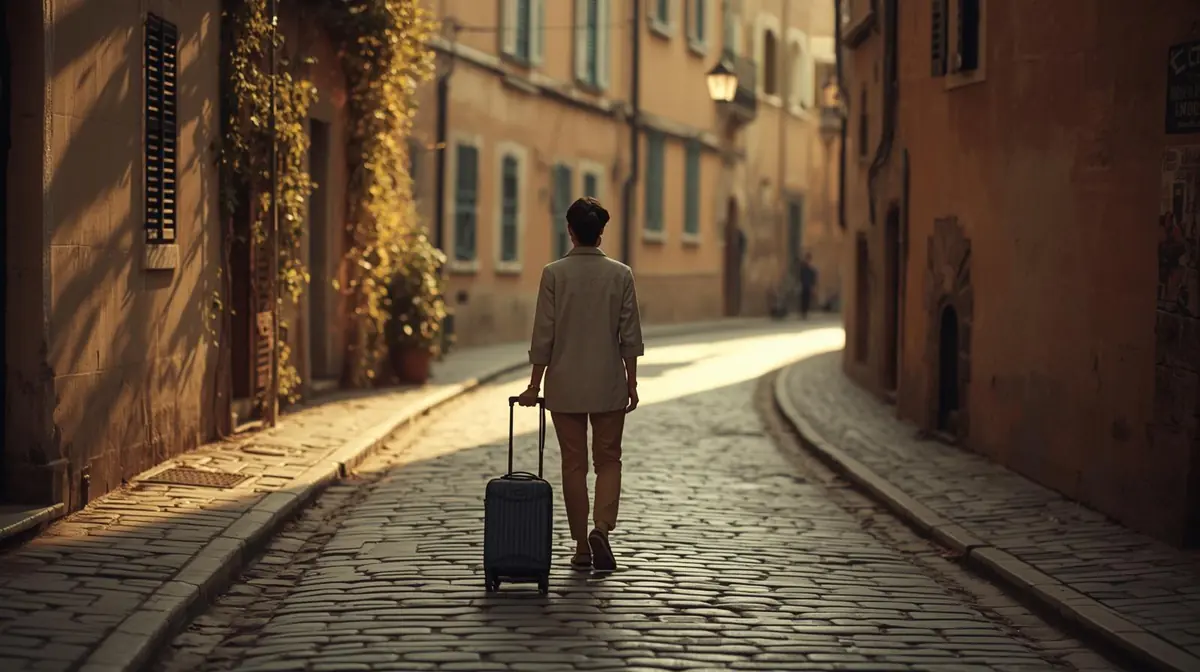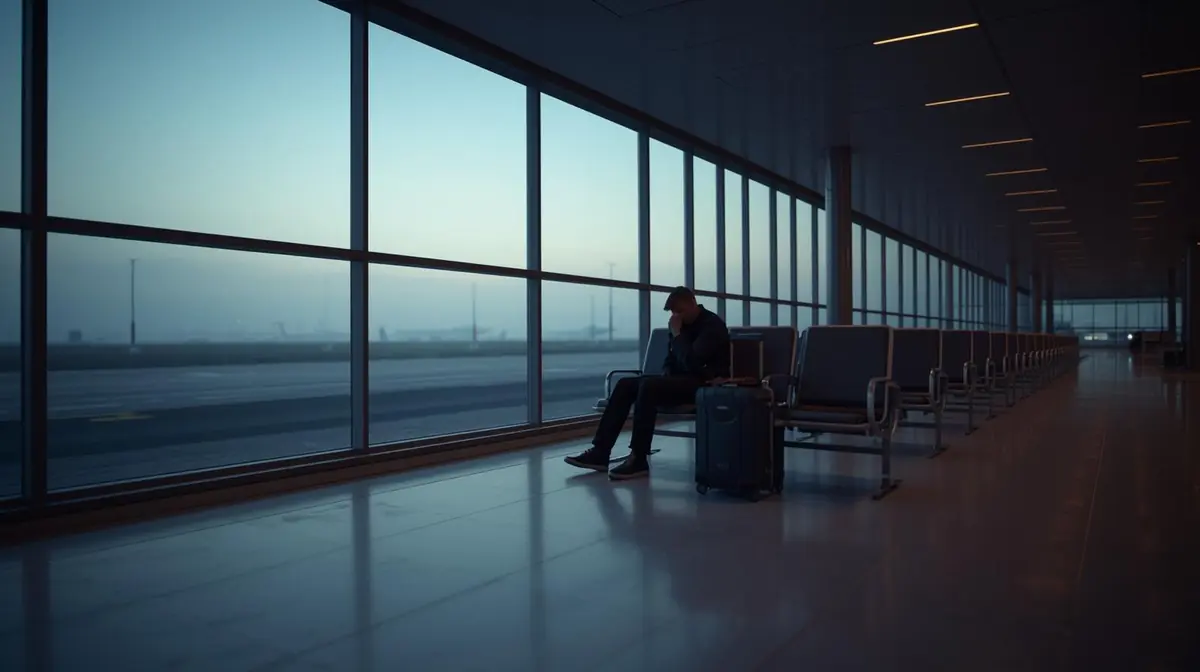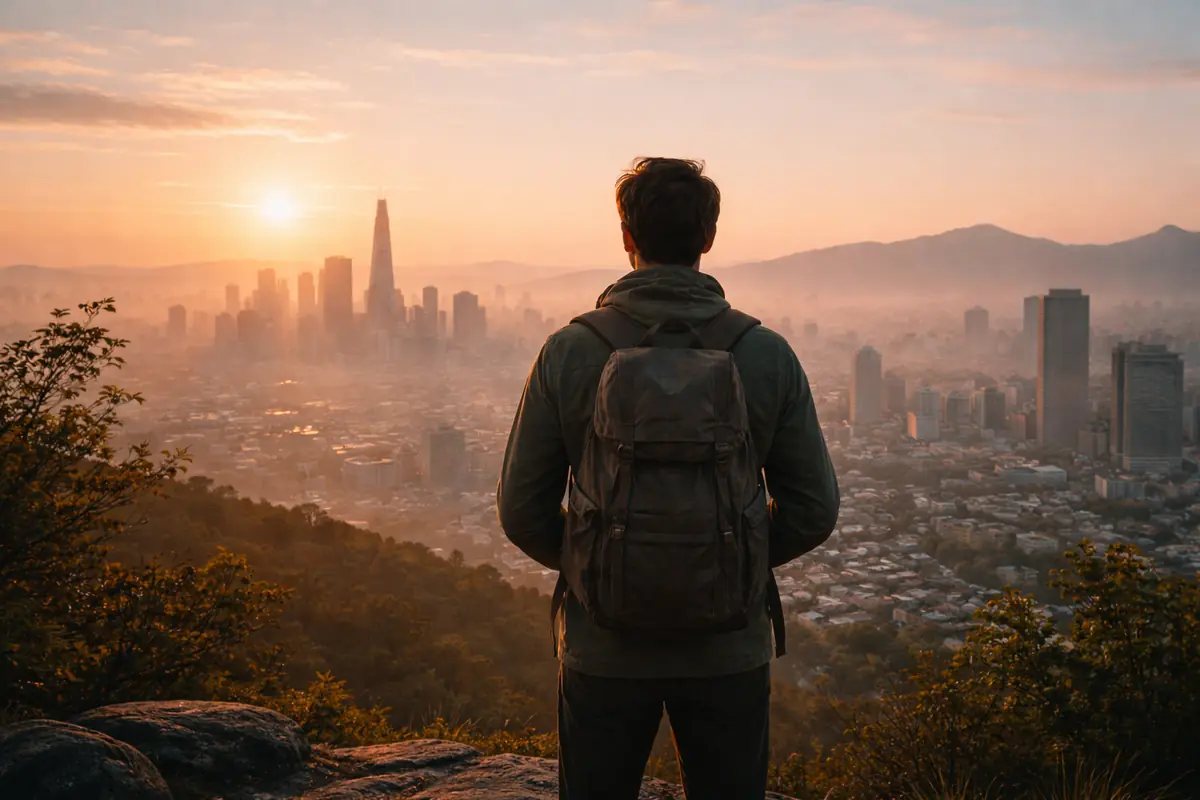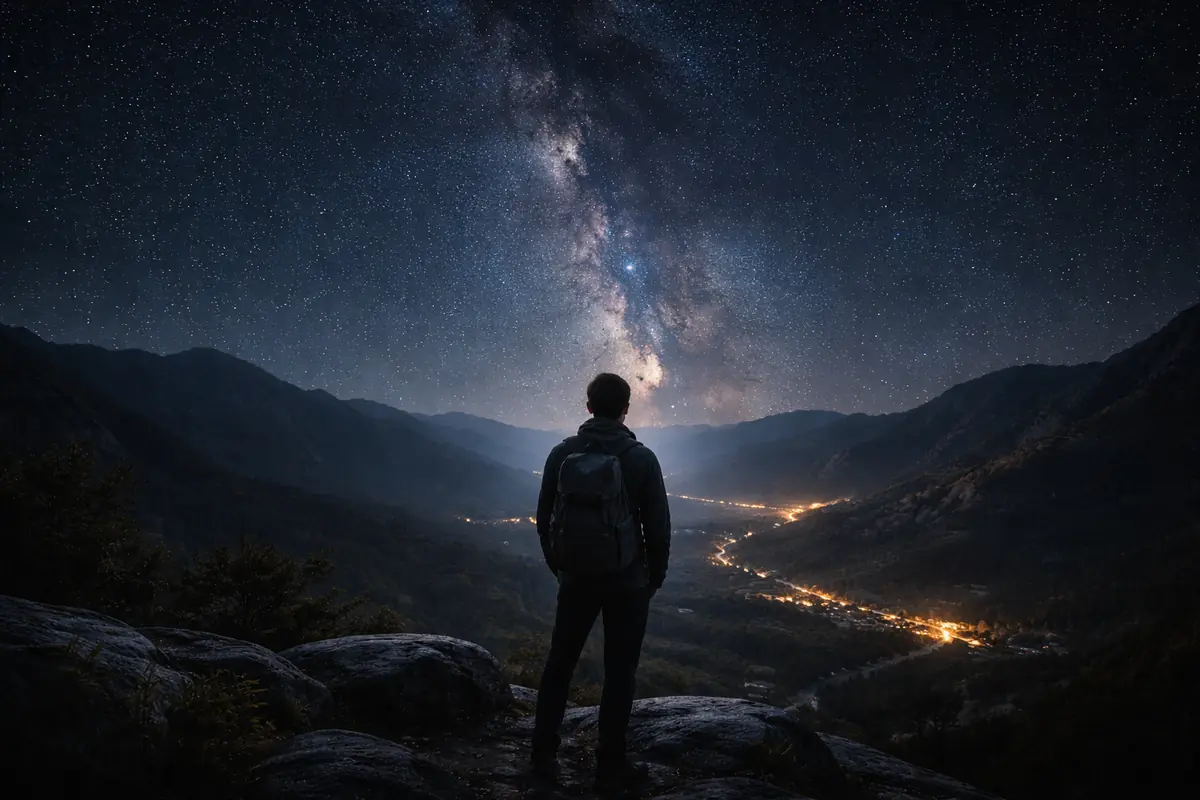
For years, travel treated nighttime as downtime — a pause between sightseeing, dinner, and sleep. That logic is fading fast. One of the most interesting travel trends right now is noctourism: planning trips around what happens after sunset.
At first, it sounds like a niche idea for astronomers and insomniacs. In practice, it is much broader. Noctourism includes stargazing in dark-sky regions, late-night museum openings, after-dark wildlife experiences, moonlit desert walks, and cities that feel more magical once the crowds thin out. The night is no longer just atmosphere. It has become the itinerary.
Part of the appeal is practical. In many places, daytime travel now means heat, glare, queues, and the strange fatigue that comes from trying to enjoy a destination while sharing it with everyone else. Night offers a different version of the same place: cooler air, softer light, slower movement, and often a stronger sense of wonder.
But the deeper appeal is emotional. Daytime tourism can feel extractive — photograph, consume, move on. Night travel asks more from you. It slows your pace. It sharpens your senses. You notice the sound of water, the shape of mountains against the sky, the quiet architecture of a street once the noise drops away. A destination stops performing and starts revealing itself.
That shift matters because many travelers are no longer chasing pure volume. They want trips that feel memorable, not just efficient. Noctourism fits that mood perfectly. It turns travel into something less checklist-driven and more atmospheric — less about seeing everything and more about feeling one moment deeply.
It also pairs naturally with other modern preferences. Travelers want quieter places. They want experiences that feel less crowded, less obvious, and less copied from everyone else’s feed. Night delivers that. Even famous destinations can feel newly personal after dark.
Of course, noctourism works best when it respects local rhythms, safety, and the environment. Not every place should become a 24-hour spectacle. The best after-dark travel experiences feel curated, calm, and intentional, not louder and brighter than the day they replace.
That may be the real reason this trend has traction. It is not just about staying up late. It is about discovering that the world often becomes more interesting once it gets quieter.
Travel used to chase the best light. Increasingly, it is chasing the best dark.
This article contains affiliate links. We may earn a small commission if you buy through them, at no extra cost to you.
Worth considering
PETZL Tikka Headlamp — A compact 350-lumen headlamp with a red light mode that preserves night vision. Practical for dark-sky viewpoints, remote lodges, or any after-dark exploration where harsh white light would ruin the atmosphere.