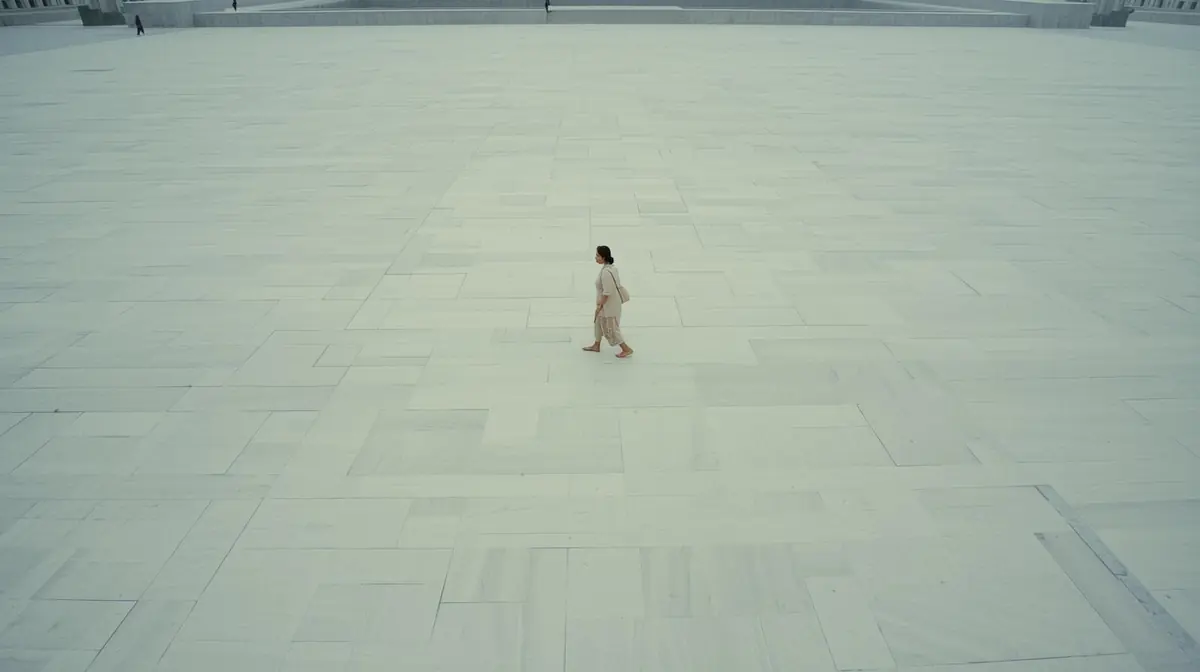
For years, the motivational formula was addition. Add a morning routine. Add a habit stack. Add a side project. Add a goal. The implicit promise was that adding enough of the right things would eventually produce a better life. What the cultural mood heading into 2026 seems to be questioning is the premise.
The most visible habit trend right now is not building more. It is choosing less — fewer commitments, fewer purchases, fewer feeds to check, fewer goals to track. And for many people, this is producing something that the addition formula rarely delivered: a sense of actual relief.
This is not simply minimalism rebranded. Aesthetic minimalism — white walls, capsule wardrobes, clean desks on Instagram — has been a cultural presence for years without necessarily changing how people feel day to day. What appears different now is that the subtraction is functional rather than visual. People are not trying to look less busy. They are trying to genuinely be less busy, and discovering that it works.
The psychology behind this is relatively well understood. Decision fatigue is real: making many small choices depletes the same cognitive resources that larger, more meaningful decisions require. Maintaining a large portfolio of habits, goals, and commitments is itself a form of work — the work of tracking, adjusting, and feeling behind on things. Removing items from that portfolio does not just save time. It frees attention.
What makes choosing less feel inspirational — rather than defeatist or resigned — is largely the framing. The low-buy year movement is not about being unable to afford things. It is a deliberate practice of questioning whether another purchase, another tool, another subscription will actually improve daily life. When the answer is often no, that no starts to feel powerful rather than restrictive.
There is also a timing element worth noting. After several years of external disruption, people are more sensitive to the difference between what energises them and what drains them. The habits and commitments that survive that filter tend to be the ones with genuine value, which means the remaining few feel more worth doing.
The risk is that choosing less becomes its own performance: a curated version of simplicity that still involves a lot of consumption, just in the direction of fewer, more premium things. That version misses the point. The functional version is quieter. It involves actually cancelling things, actually leaving commitments, actually saying no — and noticing that very little falls apart as a result.
The most inspiring version of this trend is not a lifestyle aesthetic or a brand identity. It is the discovery, often surprising, that a smaller life — fewer obligations, fewer things to maintain, fewer goals to feel guilty about — can feel significantly more like yours.