You open an app to post something simple — a thought, a photo, a quick video. But before you hit publish, a quiet calculation begins. Is this catchy enough? Is the lighting right? Will it get reach?
It’s subtle: we no longer just share online. We optimize.
Social platforms run on algorithms designed to reward engagement. The more people interact with a post, the more it spreads. Over time, users learn what works. Shorter captions. Stronger hooks. Bolder opinions. Specific posting times. Without realizing it, we start shaping our behavior around invisible rules.
This is where things get interesting.
At first, optimization feels harmless — even smart. Why not present your ideas in a way that gets noticed? But slowly, the goal can shift. Instead of asking, “Is this true to me?” we ask, “Will this perform?” That shift changes how we express ourselves.
Creators feel it most intensely. Many admit they sometimes avoid posting content they personally enjoy because it doesn’t “do well.” Others repeat formats that once went viral, even if the excitement is gone. The algorithm rewards consistency and familiarity. It rarely rewards unpredictability.
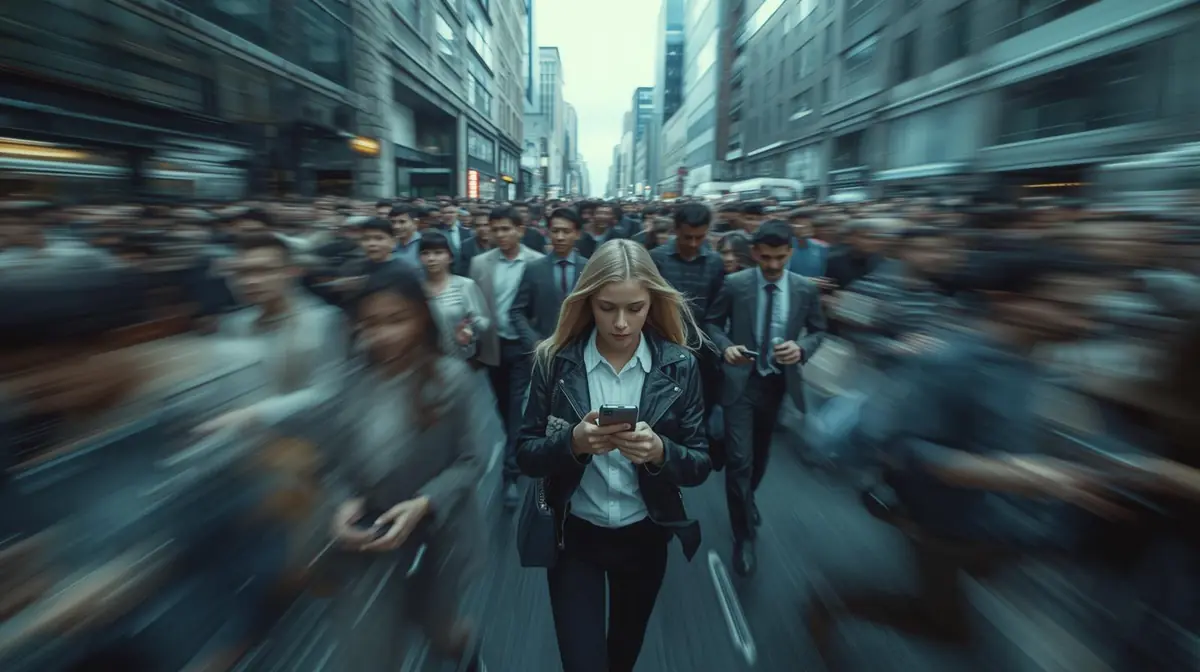
But this phenomenon isn’t limited to influencers. Everyday users adapt too. People crop photos differently because certain compositions get more likes. They rewrite captions to sound sharper. They delete posts that underperform. The internet becomes less about documentation and more about performance.
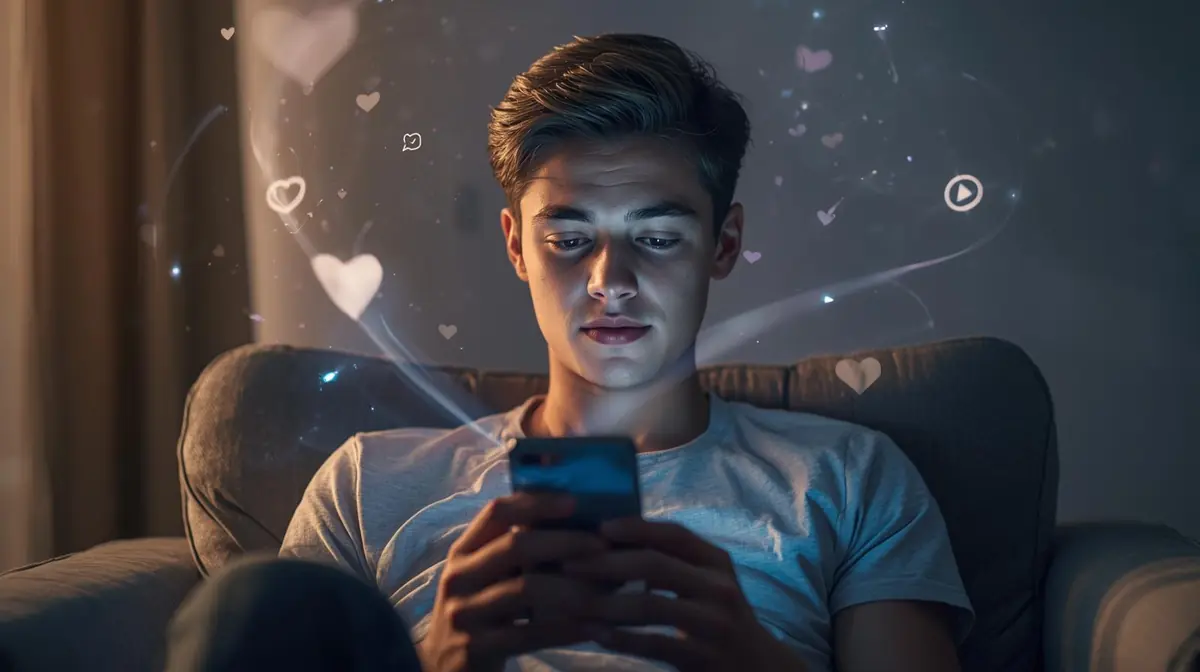
There’s a psychological layer beneath all this. Humans naturally respond to feedback loops. When a post gets attention, our brain releases dopamine. When it doesn’t, we feel a small drop — a quiet signal that something went wrong. The algorithm becomes a kind of digital audience, constantly grading our output.
Over time, this shapes identity. If bold takes get attention, we become bolder. If vulnerability gets engagement, we share more personal moments. If humor spreads fastest, we lean into jokes. The version of ourselves that performs best slowly becomes the version we present most often.
But here’s the paradox: algorithms don’t actually care about authenticity or self-expression. They care about watch time, clicks, shares, and retention. Their goal isn’t personal growth — it’s platform growth. When we adapt to them, we’re aligning with metrics, not meaning.
That doesn’t mean social media is fake or harmful by default. It simply means we should be aware of the forces shaping us. The moment we notice ourselves editing personality instead of just editing content, it’s worth pausing.
That pause matters because platforms quietly train taste. They teach us which emotions are legible, which formats are rewarded, and which versions of ourselves get amplified. Awareness does not remove that pressure entirely, but it does give us a chance to choose when to cooperate with it and when to resist it.
The question isn’t whether we use the algorithm. We all do.
The deeper question is this: if the algorithm disappeared tomorrow, would we still post the same way?
If the answer is no, then maybe we’re not just sharing online — maybe we’re performing.